The 1970s phaser sound from a single knob
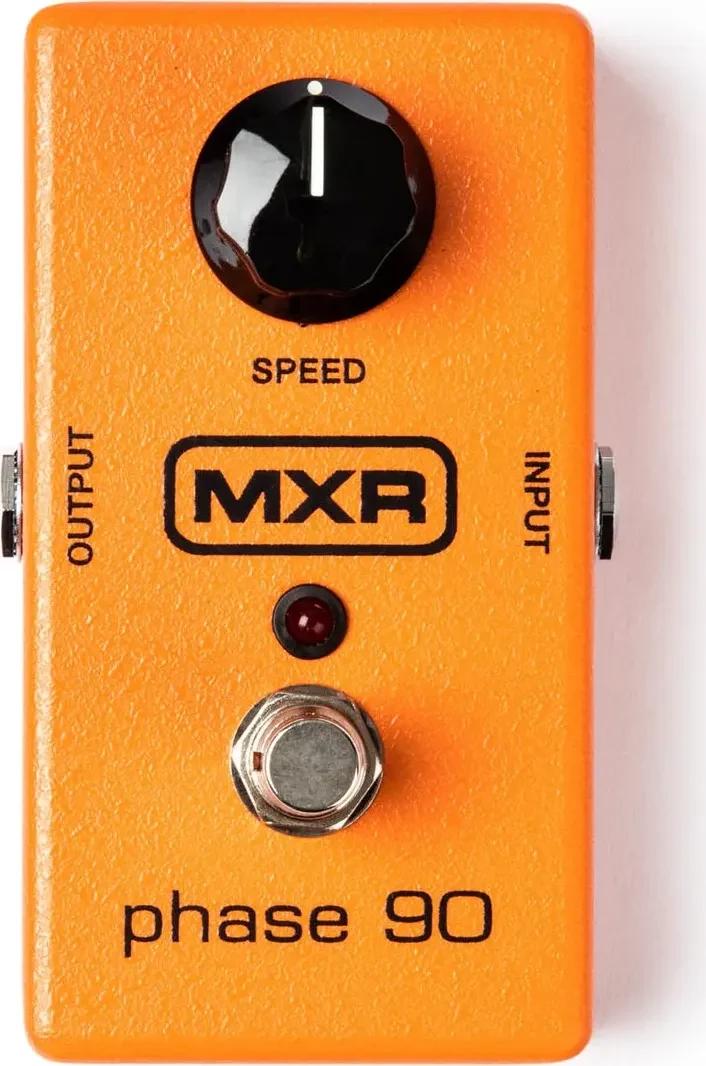
Turn the one knob, marked Speed, down for a slow shimmer on clean chords or up for a fast swirl on leads: that is the whole pedal, and it is the sound on Van Halen's first album and on Pink Floyd's "Shine On You Crazy Diamond". There is nothing else to set. It is a four-stage phaser, and it works on bass and keyboards as well as guitar.
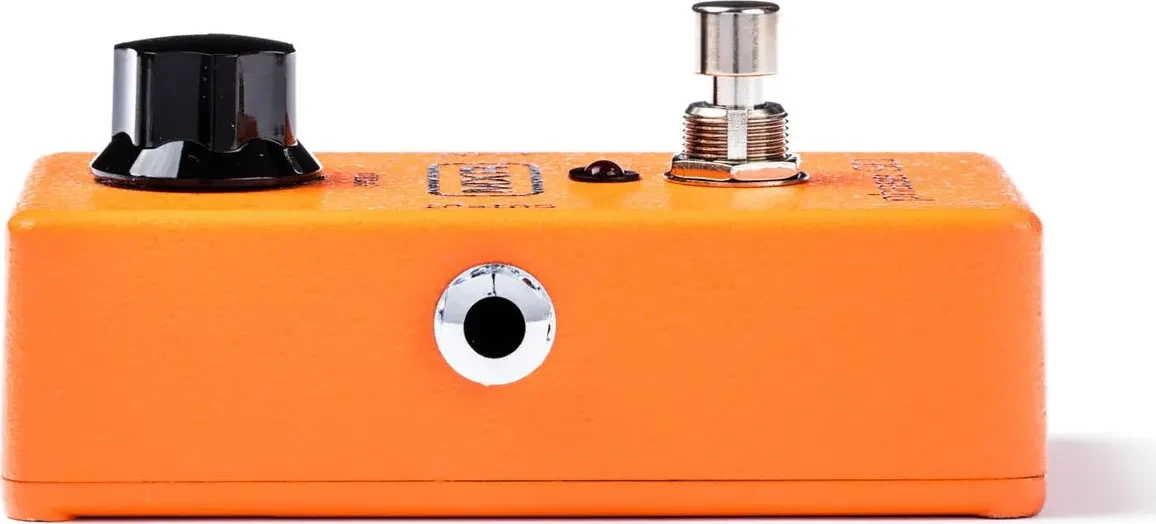
It asks little of a board. The current standard model, the M101, is the orange box with the block logo; a red LED shows when it is on, and the manual lists true bypass, a 9V battery or adaptor and a draw of 5 mA.
Warm and classic, by owners' account
No magazine review of the plain orange pedal was found for this page. The one professional test is Bonedo's, of the same pedal in a limited-edition finish, and it scored full marks. Its reviewer heard a subtle movement with the knob at minimum, the familiar Phase 90 sound around the middle and a hard, pulsing swirl at the top, with low noise and the dry guitar kept intact.
The 30 most recent Thomann owner reviews read for this page say much the same. Half of them praise the one-knob layout, and the words that recur for the sound are warm and classic. Several owners remark on how much range the single control gives, and two use it on bass, which Dunlop's manual also suggests.
What owners would change
The simplicity has a cost. There is no control over how deep the effect is or how much of it is mixed in, and two owners wish there were. Two others report that the pedal lifts the volume when switched on, one of them adding that it brings a little grit with it.
Three owners compare it with other Phase 90s and prefer those: one bought the script-logo version as well and liked it better, and two point buyers to the '74 Vintage reissue or an original. That matches the view MusicRadar reports among collectors, that the early script-logo pedals sound better than the block-logo ones that followed. Most owners have no such complaint.
MXR's first pedal, still in the range
The Phase 90 was the first effect MXR made. Guitar Player credits the design to Keith Barr, one of the company's two founders, and dates it to 1972 or 1974, noting that sources differ. Dunlop bought the MXR name in 1987 and has made the pedal since. Guitar Player notes that the 1970s pedals had none of the current model's conveniences: no LED, no adaptor socket and no true bypass.
Several siblings sit beside it: a Script Phase 90 with the earlier logo, an EVH model and a '74 Vintage reissue. This review covers the standard M101.
Who it suits and what to compare it with
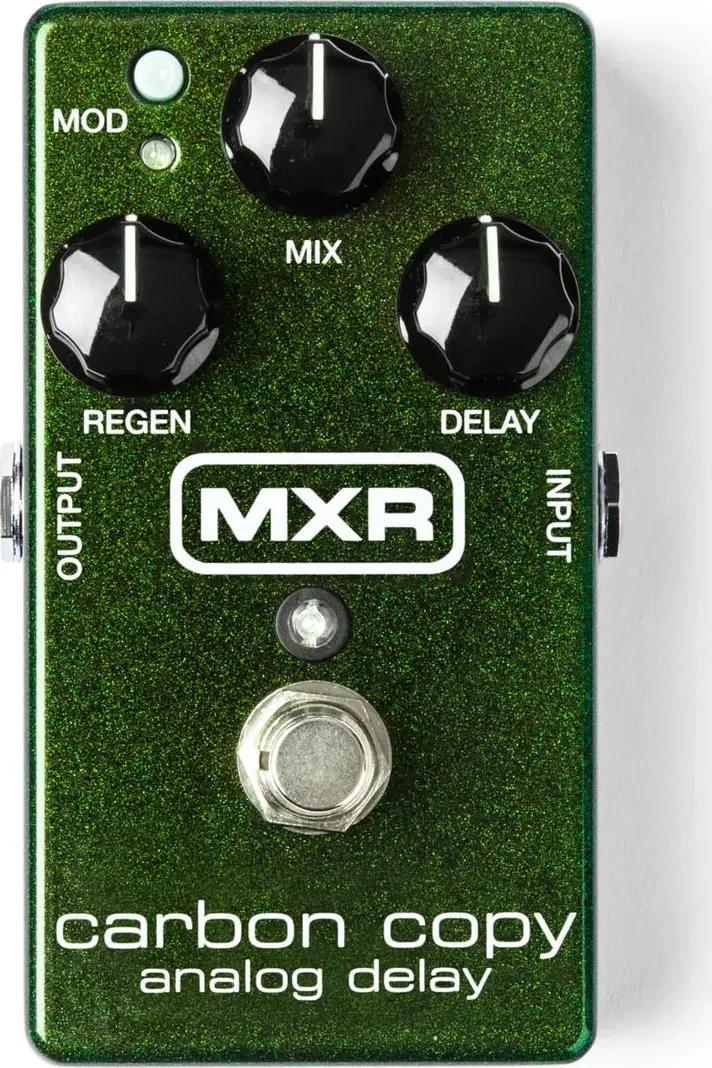
The Phase 90 suits players who want the 1970s phaser sound with nothing to programme. Owners use it for colour on solos with a drive pedal such as the Boss DS-1, though one found the volume lift obvious after an Electro-Harmonix Big Muff Pi. Another pairs it with a delay for spacious sounds, and MXR's own Carbon Copy Analog Delay is the natural partner.
Players who want to shape the effect in detail should look at a phaser with more controls, and those set on the sound of the early pedals should try the Script Phase 90 before buying.