The semi-hollow whose centre block tamed feedback, now in two versions
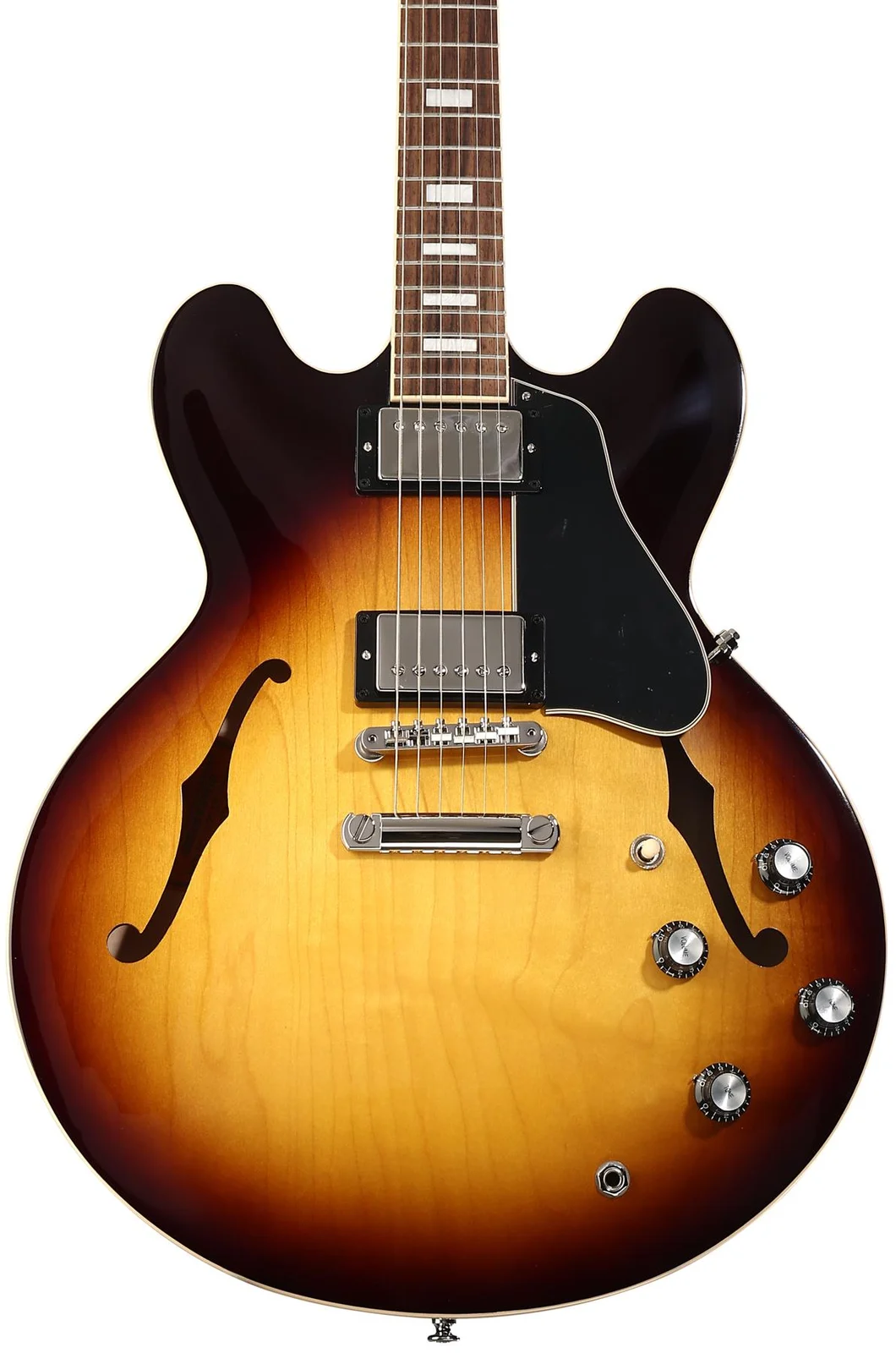
The ES-335's thinline body is hollow at the wings with a solid maple block down the middle. Gibson introduced it in 1958, and Gearnews and MusicRadar both credit that block with making it far less prone to feedback than a fully hollow electric, and MusicRadar with adding sustain.
In 2026 Gibson began making it in two versions, a ’50s and a ’60s, as it already did with the Les Paul Standard. Both have a laminated maple/poplar/maple body, a set mahogany neck, a bound rosewood fingerboard with a 12-inch radius and 22 medium jumbo frets, a Graph Tech nut and a 24.75-inch scale. The bridge is an ABR-1 with an aluminium stop bar, the controls are two volumes and two tones, and both are built in Nashville and come with a hardshell case.
The differences follow the original's first decade. The ’50s version has a Rounded C neck, dot inlays, a long pickguard, Vintage Deluxe tuners and Custombucker humbuckers with Alnico III magnets. The ’60s version has a SlimTaper neck, small block inlays, a shorter pickguard, Grover Rotomatic tuners and calibrated T-Type humbuckers with Alnico V magnets. Gibson's own pages refused automated requests, so the specification comes from MusicRadar, Bonedo, Gearnews, Guitar World and Thomann's listings.
What the first review and owners report
Guitar World's review of the ’50s version, published in August 2026, is the only one so far, and it recommends the guitar. The reviewer found the classic ES-335 sound and shape, a well-executed finish and good tuning stability, and liked the ’50s neck, while warning that its size will not suit everyone. Their guitar weighed 3.8 kg. The one fault was a Graph Tech nut left slightly sharp on one side, and the reviewer judged the guitar less suited to high gain or fast legato playing than to almost anything else.
The one owner review at Thomann, also of a ’50s guitar, praises the build, the setup on arrival and the stock pickups. No review of the ’60s version had appeared when this page was written, so the account will firm up only as more players and magazines report.
Which version suits which player
The choice comes down to neck and voice. Working from Gibson's launch details, Bonedo describes the ’50s version as aiming at the warm sound of early humbuckers and the ’60s as a little more open and punchy, and both Bonedo and Gearnews present the SlimTaper as the faster-playing neck. Guitar World's one caution about the ’50s neck was its size, so a player who prefers a slim grip should start with the ’60s, and one who likes a full neck with the ’50s.
Why the pickups might be worth changing
Both sets are Gibson's vintage-output humbuckers, so a swap is about a different flavour rather than a fix. On the ’60s version, Gibson's ’57 Classic, its own recreation of the late-1950s humbucker, moves the sound toward the ’50s version without changing guitars. Seymour Duncan's Antiquity goes further toward the sound of an aged original, and its ’59 is a warm but clear neck pickup for blues and jazz. All three are standard humbucker size and fit the existing routes; how to change a pickup covers the job.
How it compares with Gibson's solid bodies
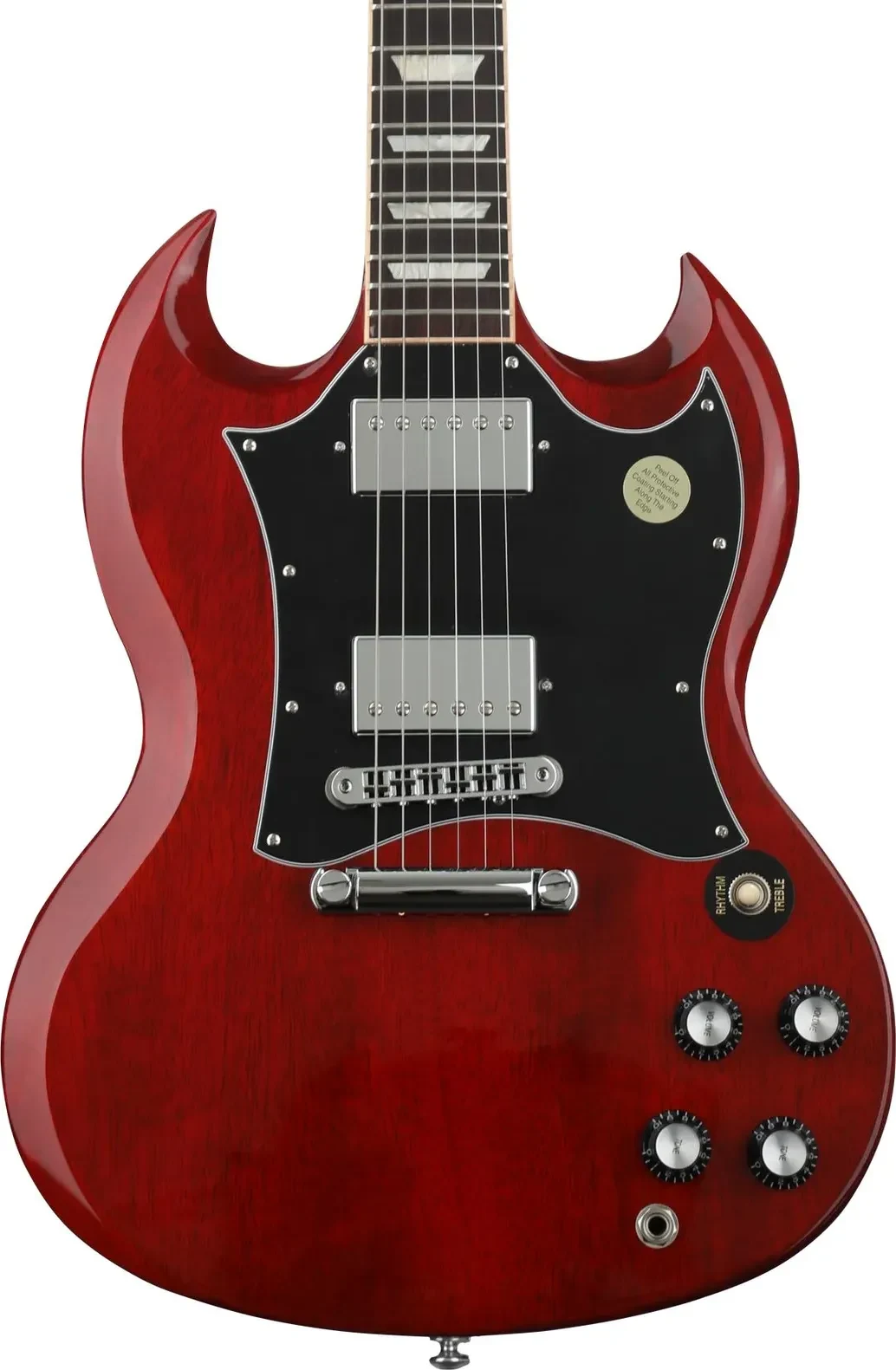
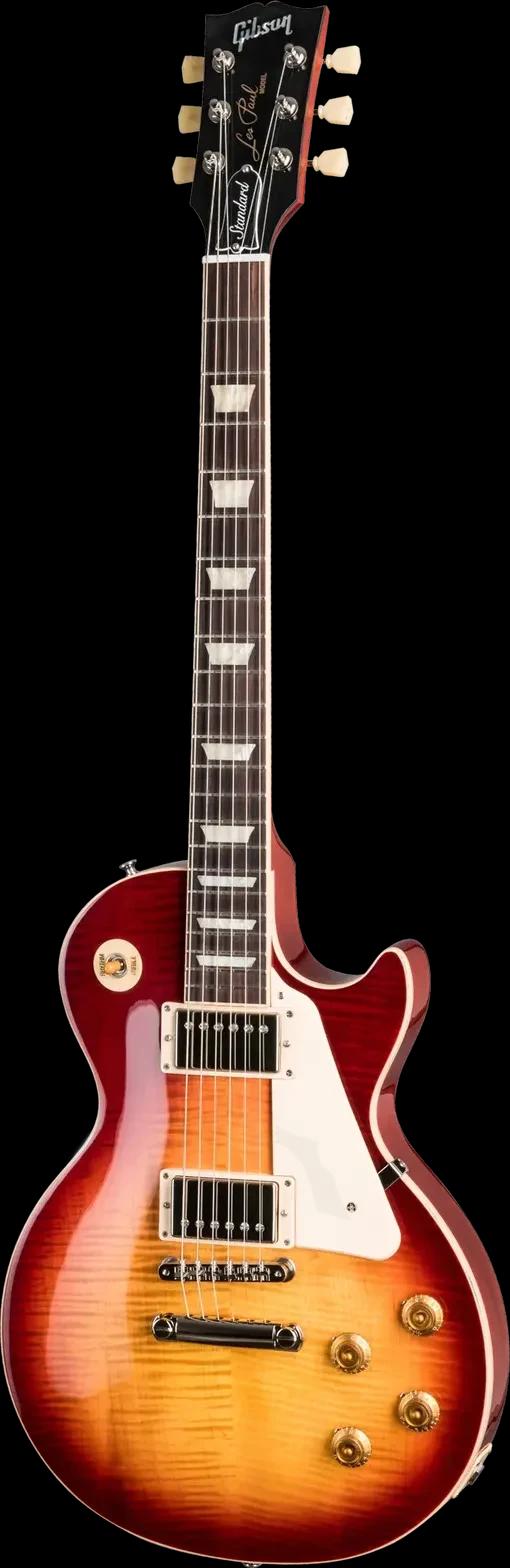
The Les Paul Standard ’50s uses the same decade-based naming and a similar full neck on a solid mahogany body, and its reviewers warn about weight. The SG Standard is Gibson's light, rock-voiced alternative. The ES-335 is the one of the three with a semi-hollow body, for players who want that construction rather than a solid guitar.