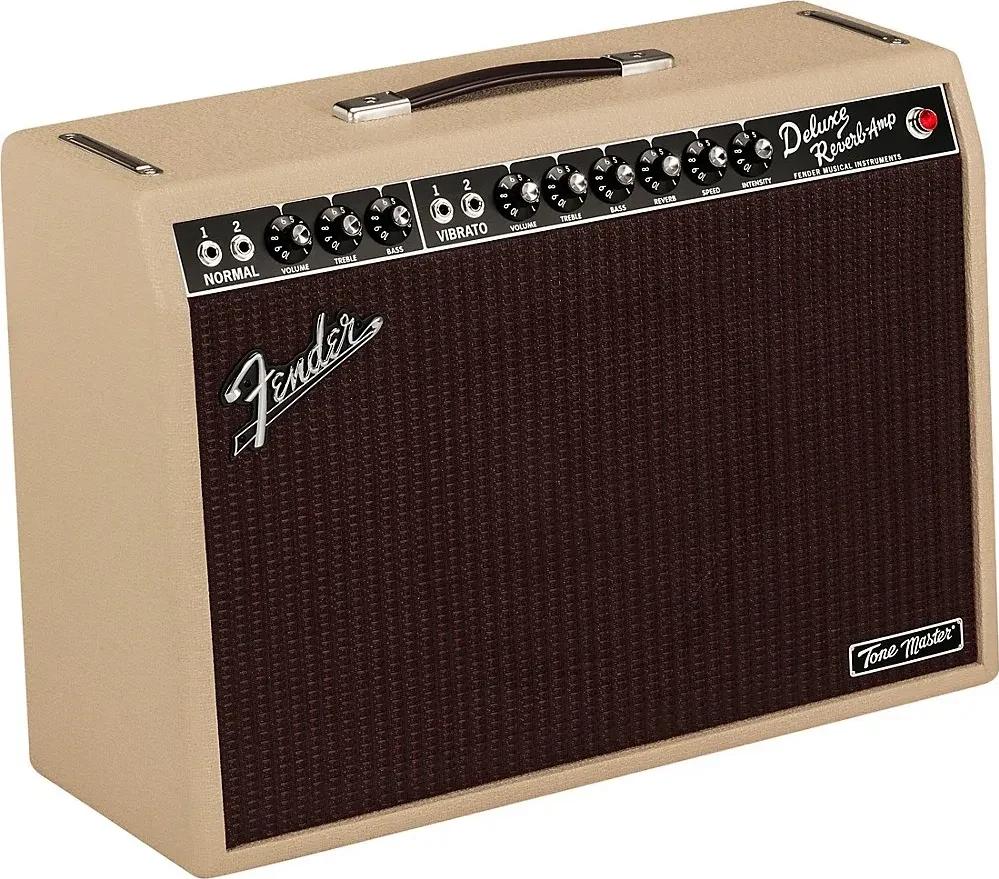
A '65 Deluxe Reverb at half the weight that turns down to 0.2 watts
The case for the Tone Master is practical: no valves to replace or bias, a fraction of the weight, and real control over volume. A six-position switch sets the output from the full 22 watts down to 0.2 watts, a balanced XLR line out carries two impulse-response cabinet simulations, and a mute switch silences the speaker for recording. The whole amp weighs 10.4 kg, about half the weight of a valve Deluxe according to Fender.
The front is a faithful copy of Fender's most-loved club amp, the '65 Deluxe Reverb: two channels with two inputs each, and reverb and tremolo on the Vibrato channel. Behind it, a 100-watt digital power amp models the circuit and the 22-watt output of the original, feeding a single 12-inch Jensen neodymium speaker in a pine cabinet.
This is the amp that tested whether players would accept a digital copy of a valve classic, and it is still argued over. The case against it is about feel, and how a valve amp compresses and responds when it is pushed.
How it sounds, by the published consensus
At clean and lightly broken-up settings, reviewers report that most listeners struggle to tell the Tone Master from a valve Deluxe Reverb reissue. Premier Guitar heard a touch more sparkle at the top, and some owners find it bright out of the box. The differences show up at the extremes: Premier Guitar, comparing it with a reissue and vintage Fenders, found its compression thinner and less airy with extreme fuzz, and Bonedo and some owners find it very close to, but not quite, a valve amp for dynamics and warmth.
For most players those differences matter less than the attenuator. A real Deluxe Reverb sounds its best loud, which makes it a difficult home or small-venue amp. Here the power switch lets the amp break up at a level a neighbour or sound engineer will accept.
Who it suits
The Tone Master Deluxe Reverb suits gigging players who run a pedalboard into a clean Fender platform, play varied venues and want one amp that is light enough to carry and simple to mic or plug into a PA. It also suits anyone who has wanted a Deluxe Reverb but been put off by the weight or the maintenance of valves.
It does one thing. There is no high-gain channel, no presets, no headphone output and no effects beyond the onboard reverb and tremolo, so players who want variety without pedals should look at a modelling amp.
How it compares with the DSL40CR and the modelling amps
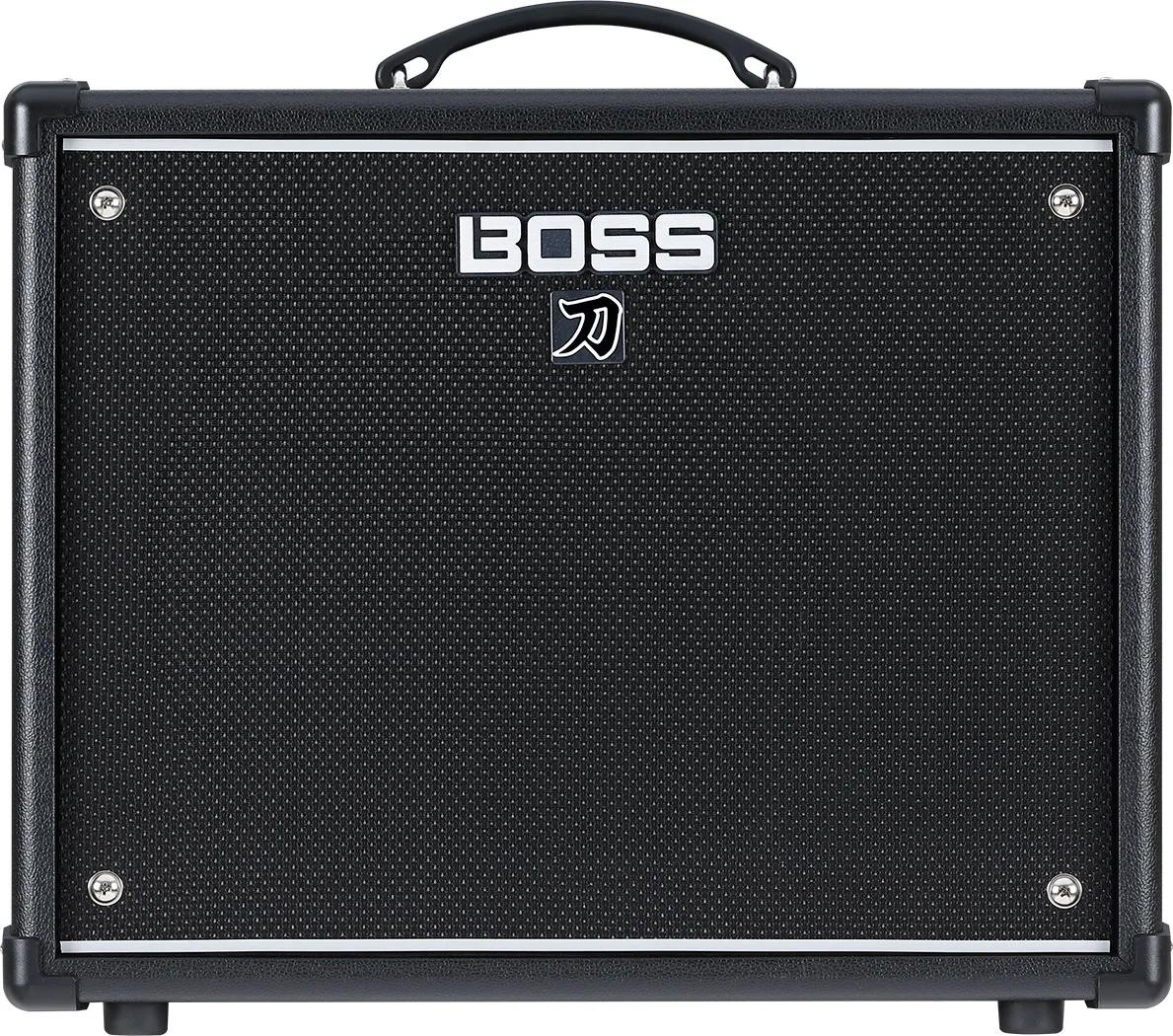
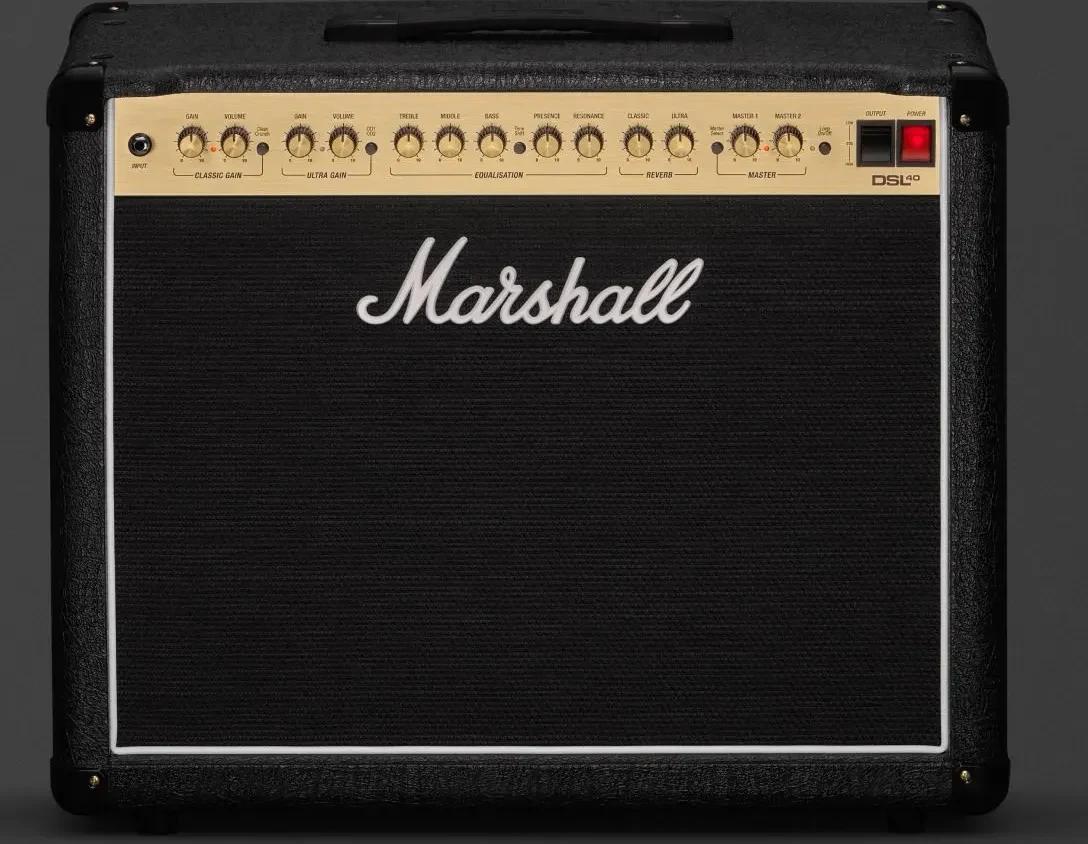
The Marshall DSL40CR is the valve alternative at a similar level, but it is voiced for British crunch and high gain rather than Fender cleans, and it weighs more than twice as much. A Boss Katana-50 Gen 3 covers far more styles for much less money, though it does not aim to recreate one amp in such detail. For home practice rather than gigging, see the best practice amps guide.