Half a watt for the flat, 50 for the rehearsal room
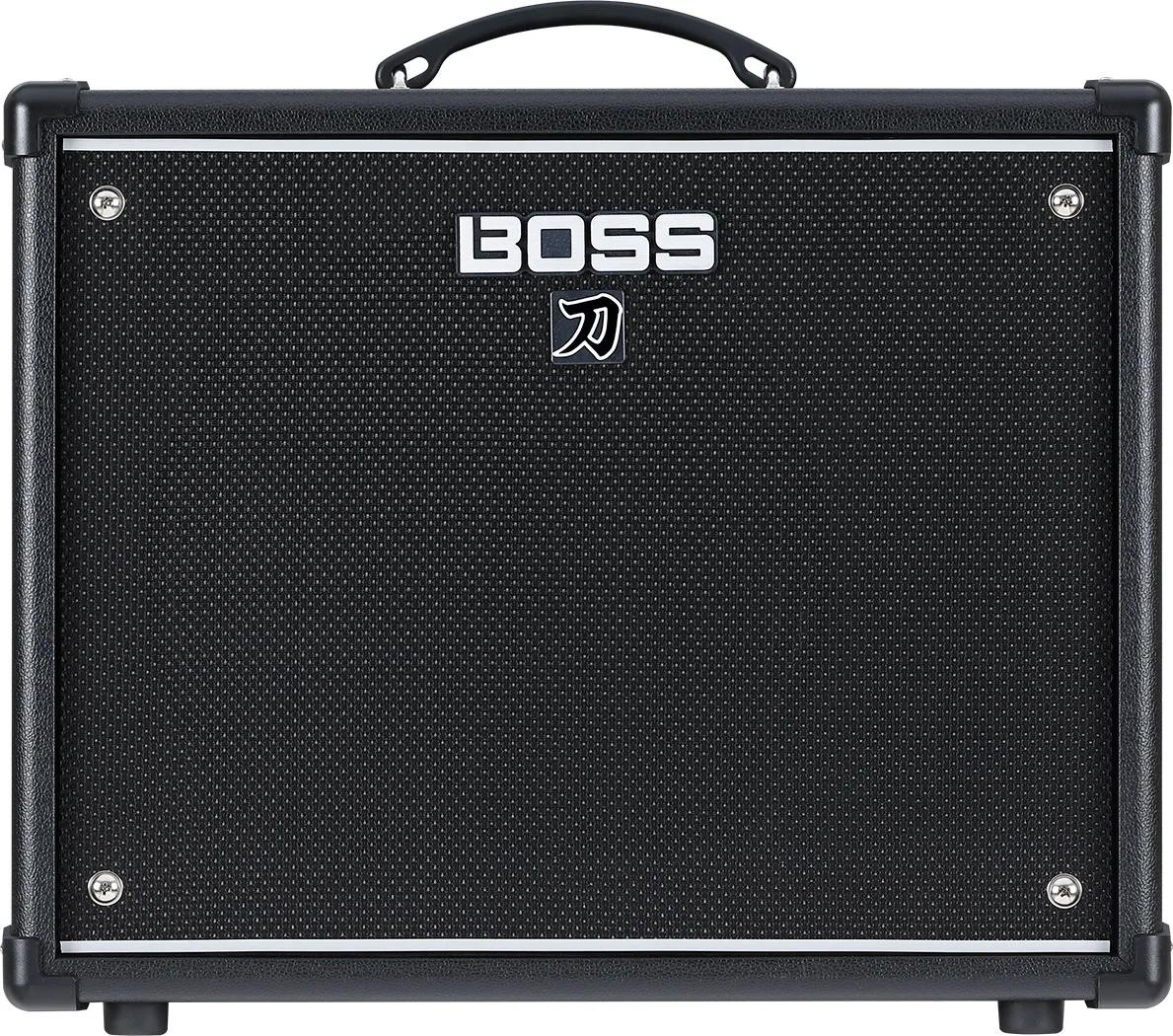
The Katana's case rests on its power control. Set to 0.5 W, it can be played at night in a flat with the amp's character intact; Half and Max, the full 50 W, are there for rehearsals and small gigs, through a single 12-inch speaker. That range is the main reason it is suggested so often over smaller amps: one box covers the bedroom and the rehearsal room.
The stereo headphone output and USB-C port both carry IR-based cabinet sounds, with Boss's Air Feel options for how close the virtual microphone sits, so silent practice and direct recording sound like the amp rather than a raw preamp. Boss Tone Studio runs on a computer or, through the BTS app, a phone, and stores your sounds in four memory slots plus the live panel setting.
Bluetooth audio and app control need the optional BT-DUAL adaptor, which slots into the back. The 50 takes Boss footswitches and an expression pedal but, unlike the larger Gen 3 models, not the GA-FC foot controllers.
The Gen 3 is an evolution, not a rethink
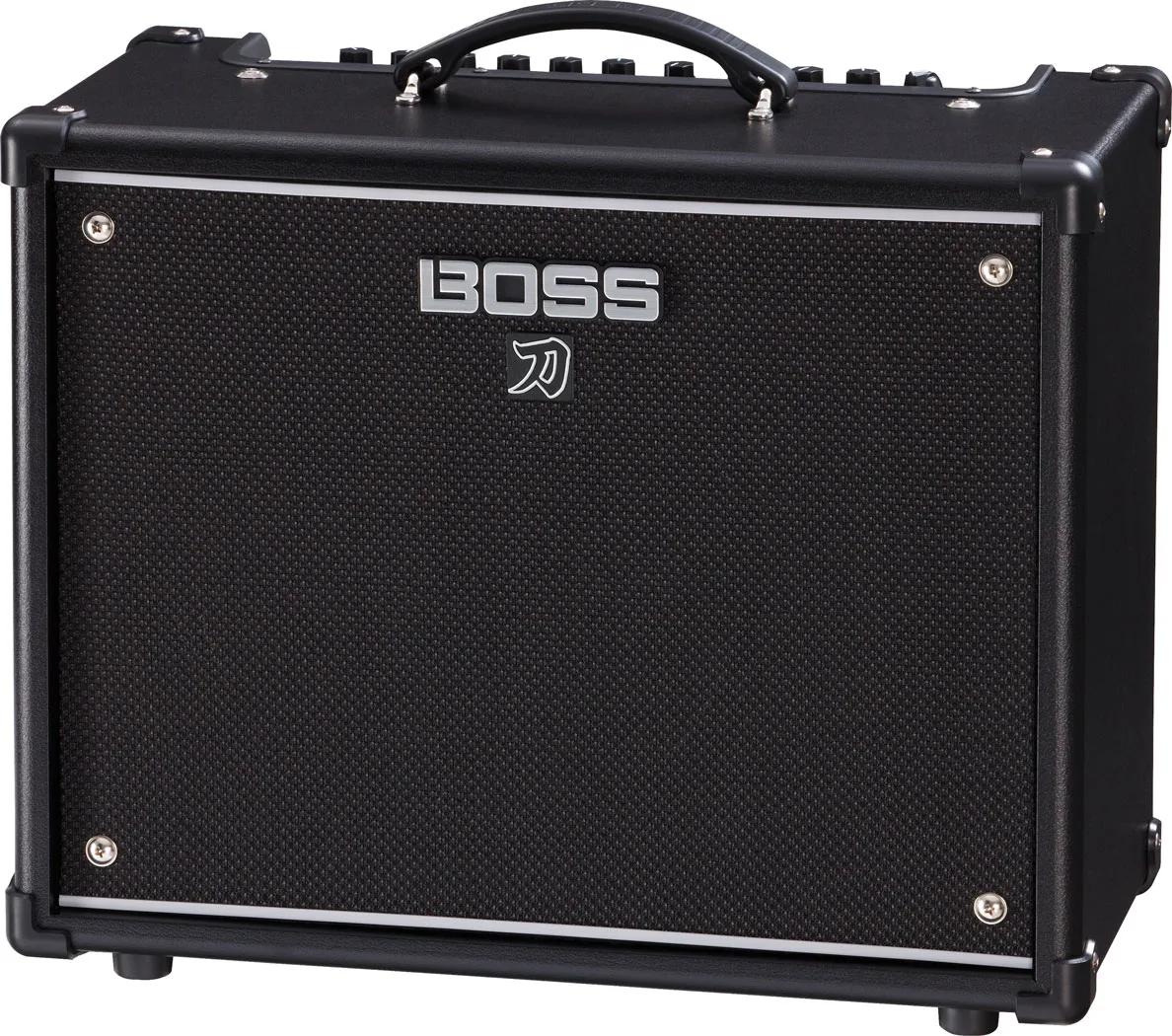
The Katana-50 is the middle of Boss's Katana combo range, and the Gen 3 is its third version. It keeps the formula that made the earlier models so widely recommended: a 50-watt solid-state power amp, a single 12-inch speaker, a handful of amp voices on the front panel and a full set of Boss effects behind them. What changes in this generation is mostly refinement, including a new Pushed amp type and a second variation for every amp type on a button.
The panel layout will be familiar to anyone who has used a Katana. Six amp types (Acoustic, Clean, Pushed, Crunch, Lead and Brown) sit on one switch, with gain, volume and a three-band EQ beside them. Five effect sections run along the top, each with three types available from the panel, and the editing software opens up more than 60 Boss effects.
Reviewers broadly agree that the Gen 3 sounds clearer and more detailed than the Gen 2, with a tighter low end and a more responsive feel under the fingers rather than just extra treble. The Pushed amp type, which sits between Clean and Crunch and gives a valve-like edge of break-up, gets singled out as the most useful addition.
Who it suits
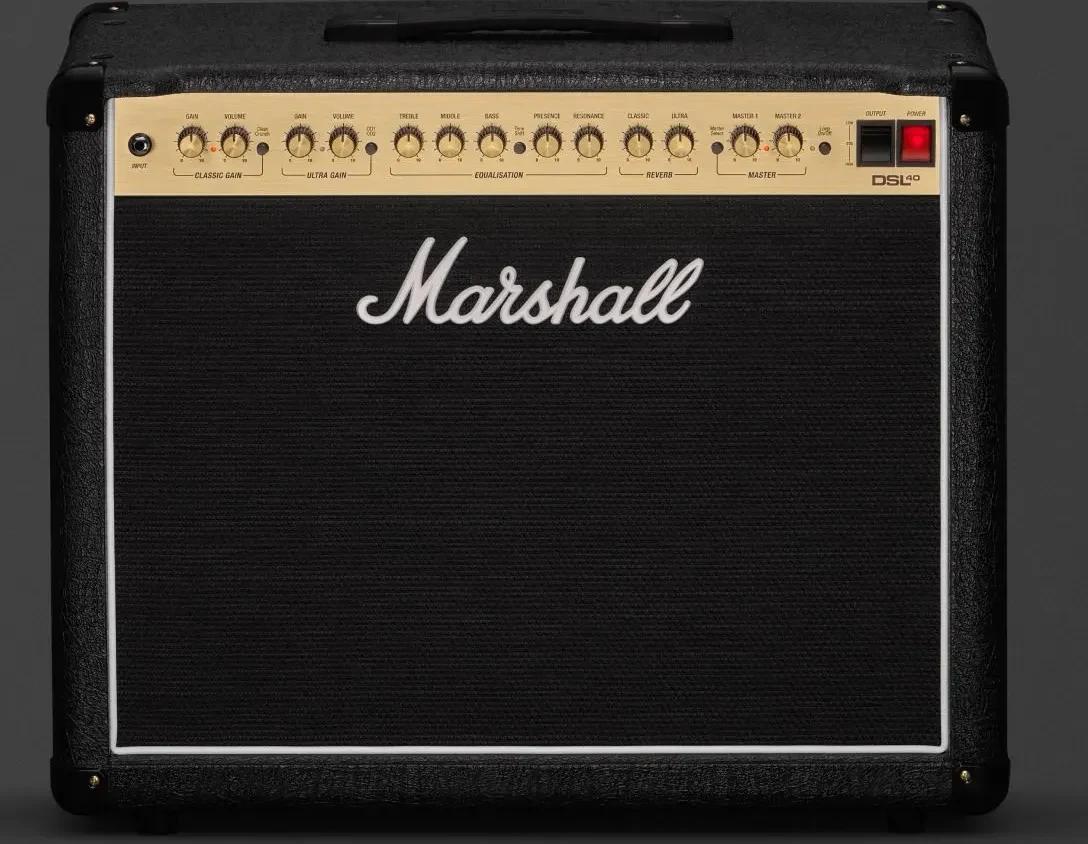
The Katana-50 Gen 3 suits a beginner who expects to join a band, or a returning player who wants one amp that does everything reasonably well. It is less ideal if the amp has to move often: 11.6 kg is a real weight, and there is no battery option. Players who mainly want a valve amp's feel at volume will find more of that in the Marshall DSL40CR.
How it compares with the Mustang LT25, Spark 2 and THR10II
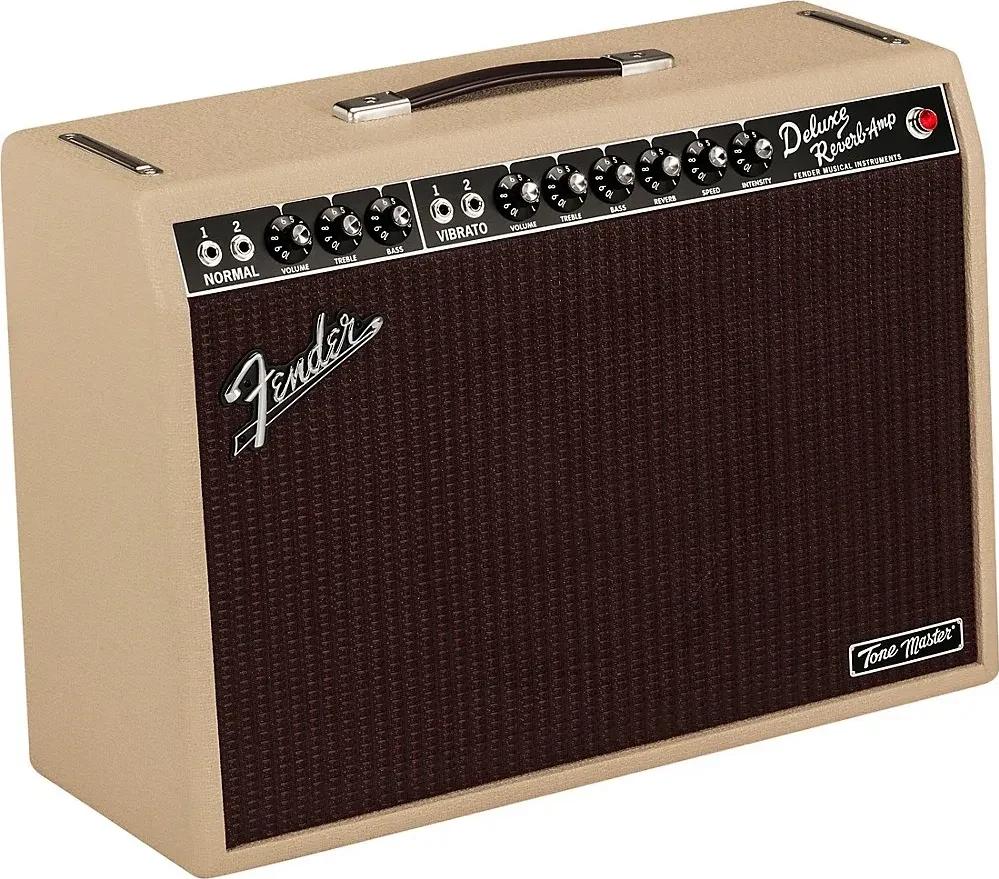
The Fender Mustang LT25 is the budget alternative: smaller, lighter and simpler, with an 8-inch speaker and more amp models, but no power scaling and much less headroom. The Positive Grid Spark 2 is built around an app, with stereo speakers, a looper and backing-track tools, and works best as a practice station rather than a band amp. The Yamaha THR10II is the desk-friendly option, with stereo sound and an optional battery version, but nowhere near the Katana's volume.
If the amp might ever play with a drummer, the Katana is the one of the four that can. The guide to the best practice amps sets out which situation each one wins.