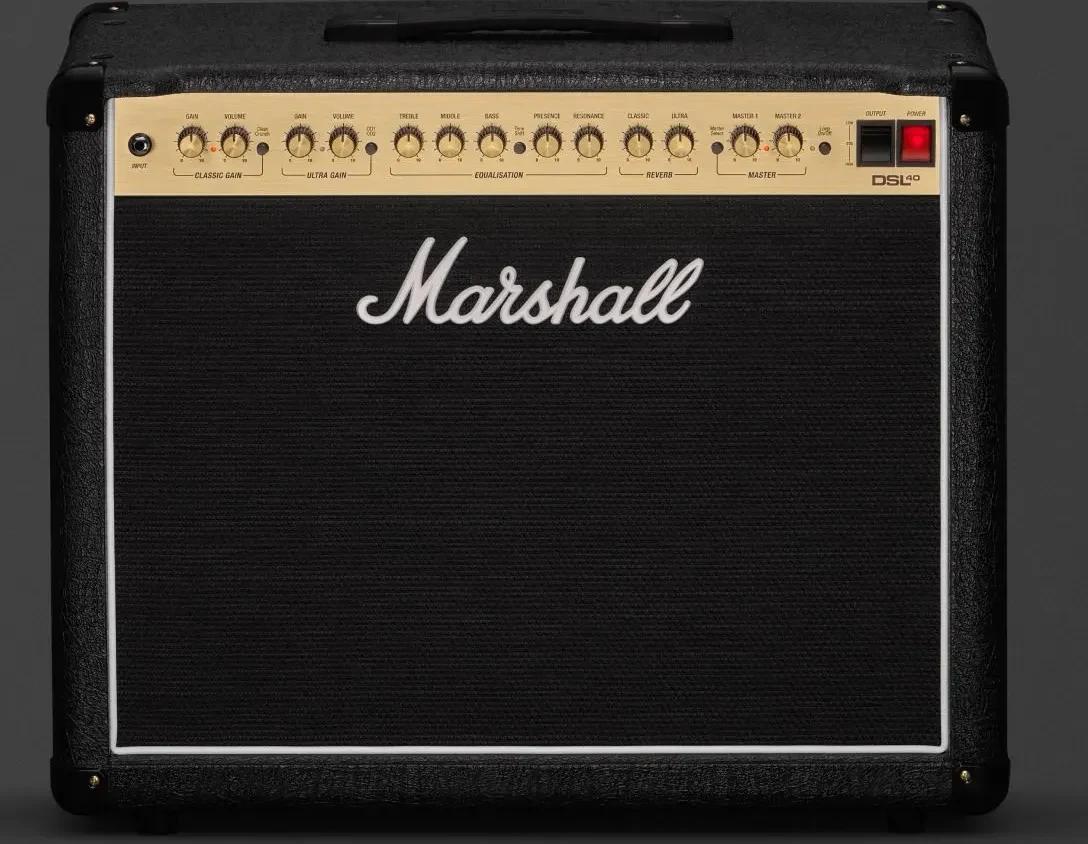
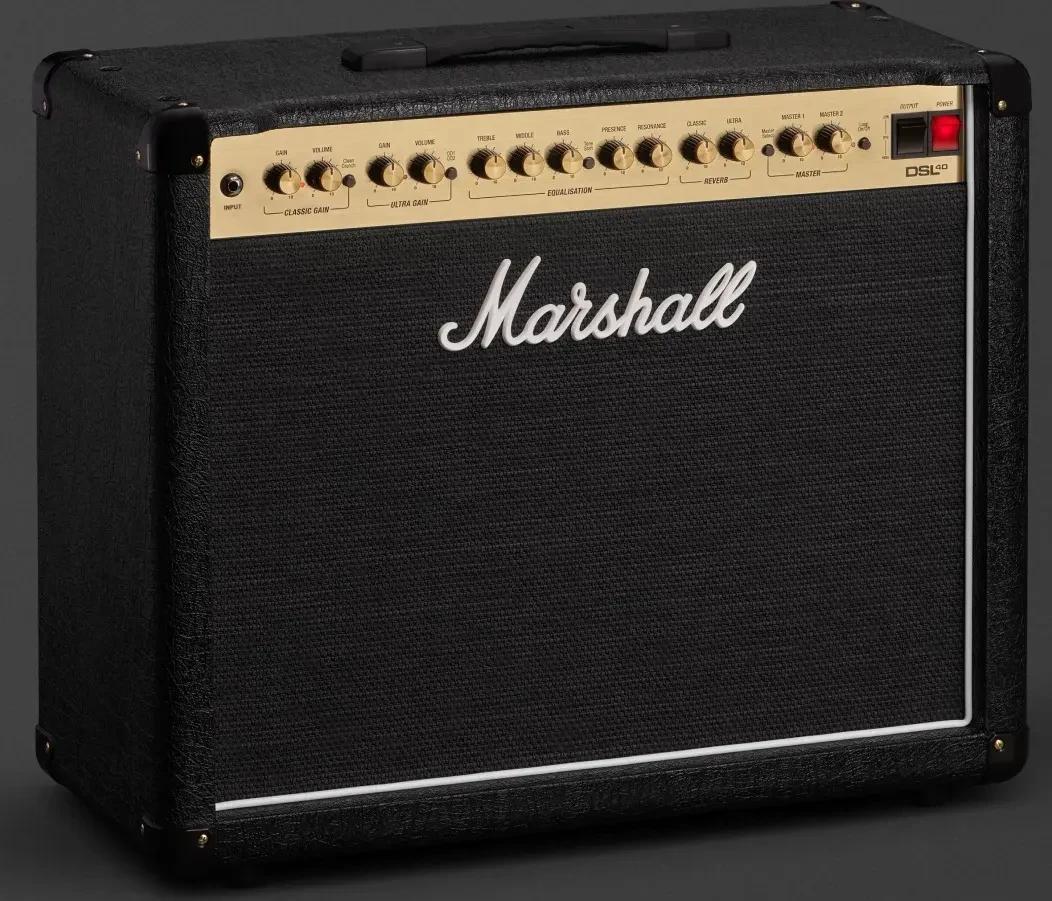
Four Marshall sounds, from clean to JCM800 crunch to high gain
The Classic Gain channel switches between clean and crunch, and Marshall voices its crunch mode after the JCM800. The Ultra Gain channel has two overdrive modes, OD1 and OD2, for heavier rhythm and lead sounds, and two master volumes give a ready-made solo boost.
Both channels share a three-band EQ, with a Tone Shift button that reshapes the midrange for a more scooped, modern sound. Presence and resonance controls work on the power amp, adjusting the very top and very bottom of the sound. The supplied two-way footswitch changes channel and toggles the effects loop; the optional six-way pedal adds direct access to all four modes and both masters. Bonedo's only complaint was that the supplied switch cannot select the masters.
Behind the panel are four ECC83 preamp valves and a pair of EL34s, in a 1x12 cabinet with a Celestion V-Type speaker. The DSL40CR is Marshall's 40-watt combo version of the Dual Super Lead, the two-channel design that has been the company's everyday valve amp for decades, and Marshall's own site now lists it simply as the DSL40 Combo. The CR keeps the earlier DSL40C's two modes per channel and separate reverb levels, and adds an effects loop that switches from the footswitch, an emulated output whose speaker simulation was designed by Softube, an aux input and MIDI in.
How it sounds, by the published consensus
Reviewers praise the DSL40CR's crunch and high-gain sounds above all. Vintage Guitar found the Ultra Gain channel full of JCM800-style chunk and sustain, and Bonedo rated it a flexible stage amp for anything from blues to metal. Opinion on the clean mode is split: Vintage Guitar found it short of depth, while Bonedo heard plenty of clean headroom and several Thomann owners rate it better than they expected from a Marshall.
The weak point that reviewers and owners mention most is the reverb, which Vintage Guitar called too subtle and many owners find barely audible.
The output switch drops power from 40 to 20 watts, and with the two masters, owners find it still sounds good at home volume. It remains a loud valve amp built for rehearsals and gigs. For silent recording, the emulated output feeds a mixer or headphones with the amp switched to standby, so no speaker is needed.
Who it suits
The DSL40CR suits a player stepping up from a practice amp who rehearses with a band, plays pub gigs and wants the feel of valves. Owners repeatedly point to value as its strength. The caveats are practical: at 22.9 kg it is heavy to carry, valves need replacing over time, and some buyers report a faulty unit on arrival, so buying from a retailer with good returns makes sense.
How it compares with the modelling amps and the Tone Master
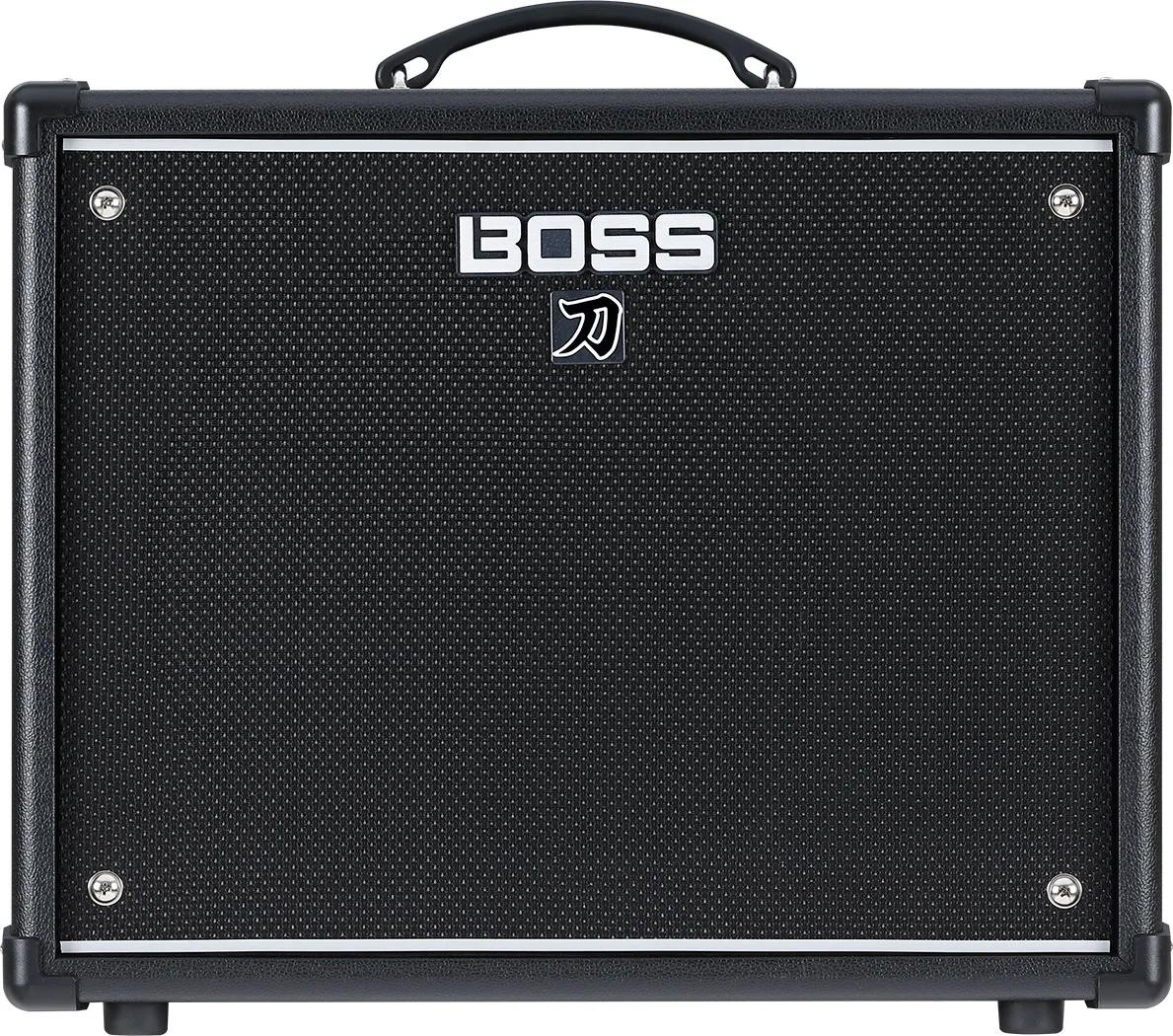
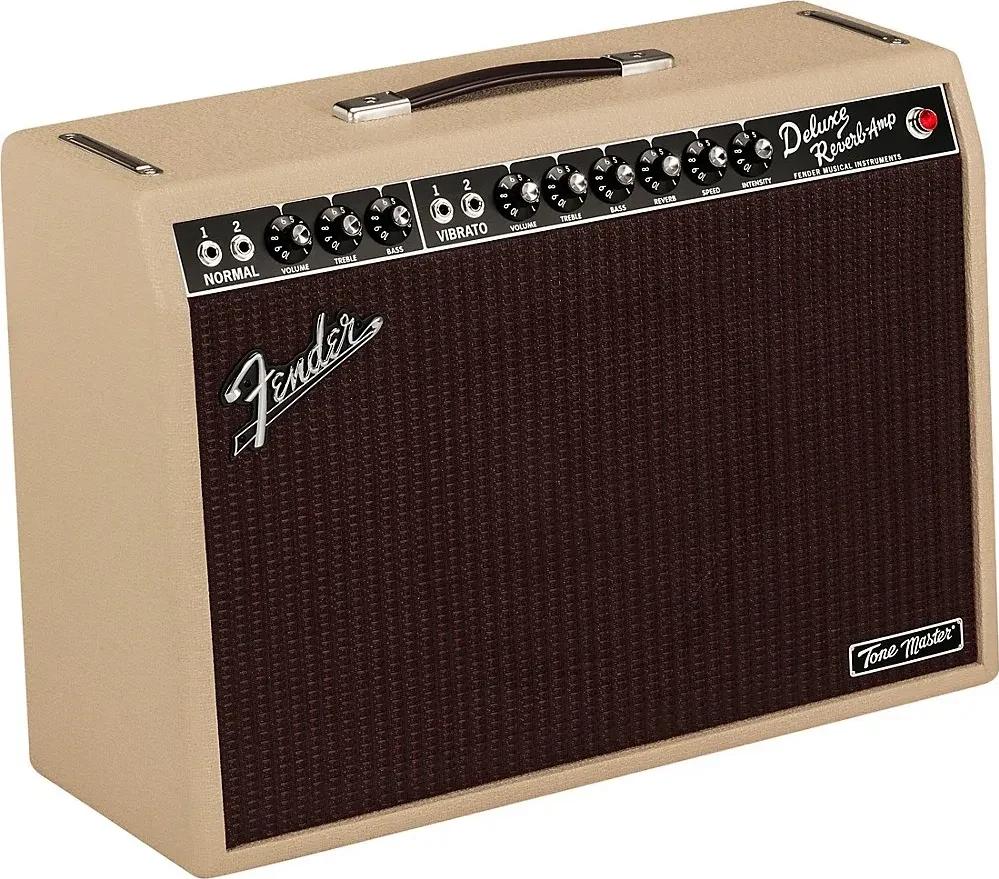
Next to the Boss Katana-50 Gen 3, the Marshall offers fewer sounds but a genuine valve response; the Katana is lighter and the easier choice for home use. The Fender Tone Master Deluxe Reverb comes at the same need from the other direction: a digital recreation of a Fender valve amp, lighter and lower maintenance, but voiced for cleans and light break-up rather than Marshall crunch.
If you need a practice amp rather than a gigging one, the guide to the best practice amps is the better starting point.