Thirty ready-made presets get a beginner playing in minutes
Fender's approach is to make the amp useful the moment it is switched on. It holds 30 numbered presets, each pairing one of 20 amp models with a chain of effects, and you scroll through them with the encoder. The models cover Fender's own amps, from a tweed Champ and Bassman to a '65 Deluxe Reverb and Twin Reverb, alongside British and American high-gain designs.
Five knobs (gain, volume, treble, bass and master) adjust whichever preset is active. Editing an effect or swapping an amp model happens on the display, and there are 30 empty slots for your own sounds. The effects run in four groups: drives and compressors, modulation, delay and reverb. A tap button sets delay times and also opens the built-in tuner.
The LT25 is the entry point to Fender's modelling amps: a 25-watt combo with one 8-inch speaker, a small display and an encoder wheel, weighing 5.8 kg and built to be the amp that comes home with a first electric guitar. It sits below the larger Mustang models and well below the Boss Katana-50 Gen 3 in price and size.
How it sounds, by the published consensus
Reviewers praise the spread of convincing tones for the money: Guitar World liked the Fender-style sounds and found the higher-gain models just as strong at times. The criticisms are mostly about scope: Guitar World and SoundGuys note that rivals at the same money offer more features, and Expert Reviews felt Fender's own Bluetooth-equipped Mustang GT 40 outshone it. Some owners also find it boxy next to bigger amps, and with 25 watts and an 8-inch speaker it is built for home and practice-room use.
Ease of use is the point reviewers return to most. Without an app to install, a beginner can find a sound they like within minutes. The USB port works as an audio interface for recording, and the free Fender Tone desktop app adds preset management, backups and firmware updates.
Who it suits
The LT25 suits a beginner, a child's first amp or a second amp for practising quietly. It also makes sense for anyone who wants good sounds without tweaking, since the presets are ready to play.
Look elsewhere if you want to stream music from a phone (there is no Bluetooth), turn the amp down without losing tone (there is no power scaling), or plug into a PA (there is no line out). Owners also note that editing without Bluetooth means a computer and an old micro-USB cable.
How it compares with the Katana, Spark 2 and THR10II
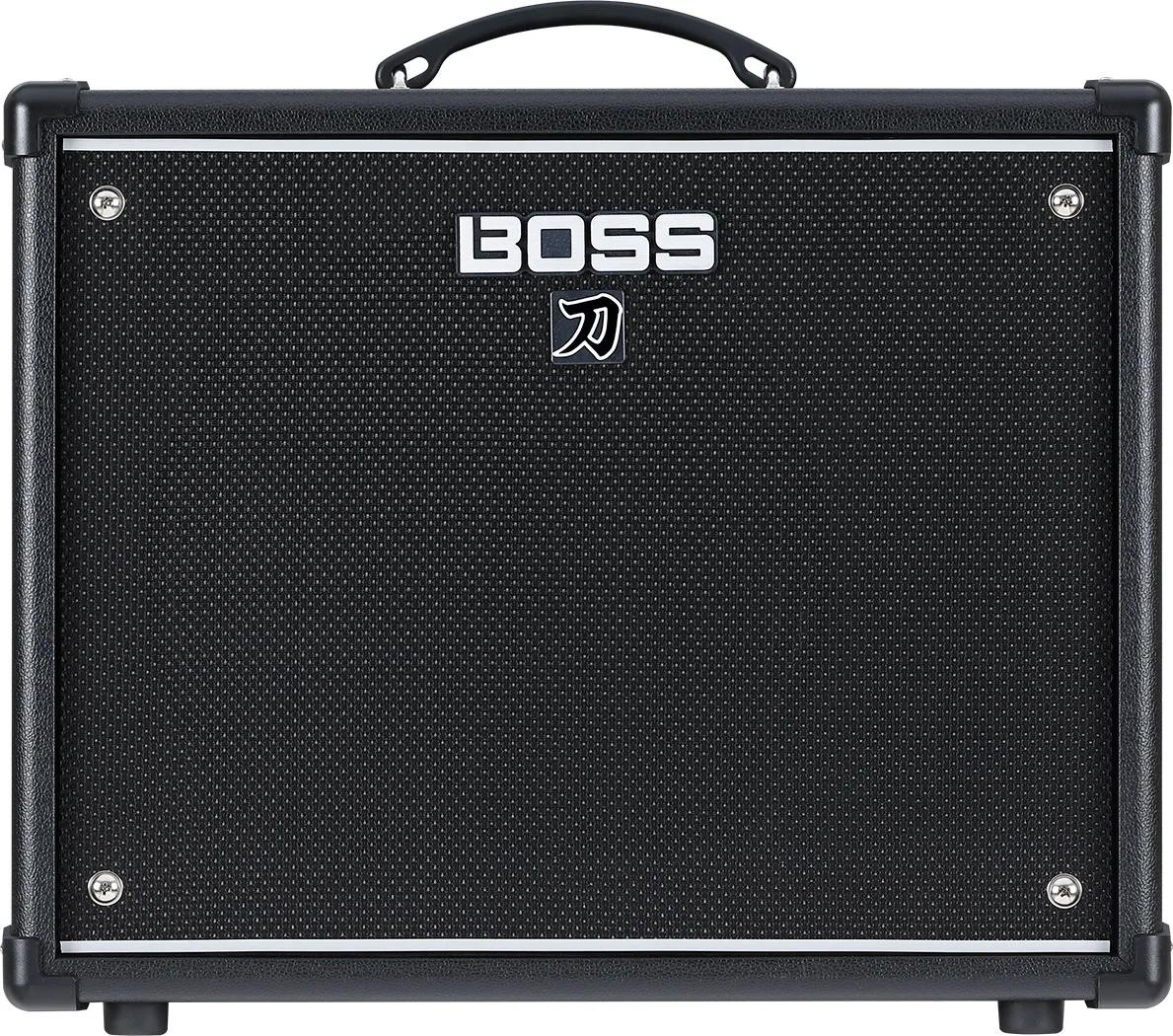
Against the Boss Katana-50 Gen 3, the LT25 is lighter and cheaper but has half the power, a smaller speaker and none of the Katana's power control. The Positive Grid Spark 2 costs more and leans on its app, but adds stereo sound, Bluetooth and a looper. The Yamaha THR10II is a premium desktop amp with stereo speakers and a look that suits a living room, though it is built for close listening rather than volume.
For a tight budget and a first guitar, the LT25 is the easy recommendation. The best practice amps guide shows where each one fits.