Yamaha THR10II review

For home players at living-room volume: stereo sound and Bluetooth play-along in a shelf-friendly 3 kg box.

Updated 20 November 2026 by Rory Tassell
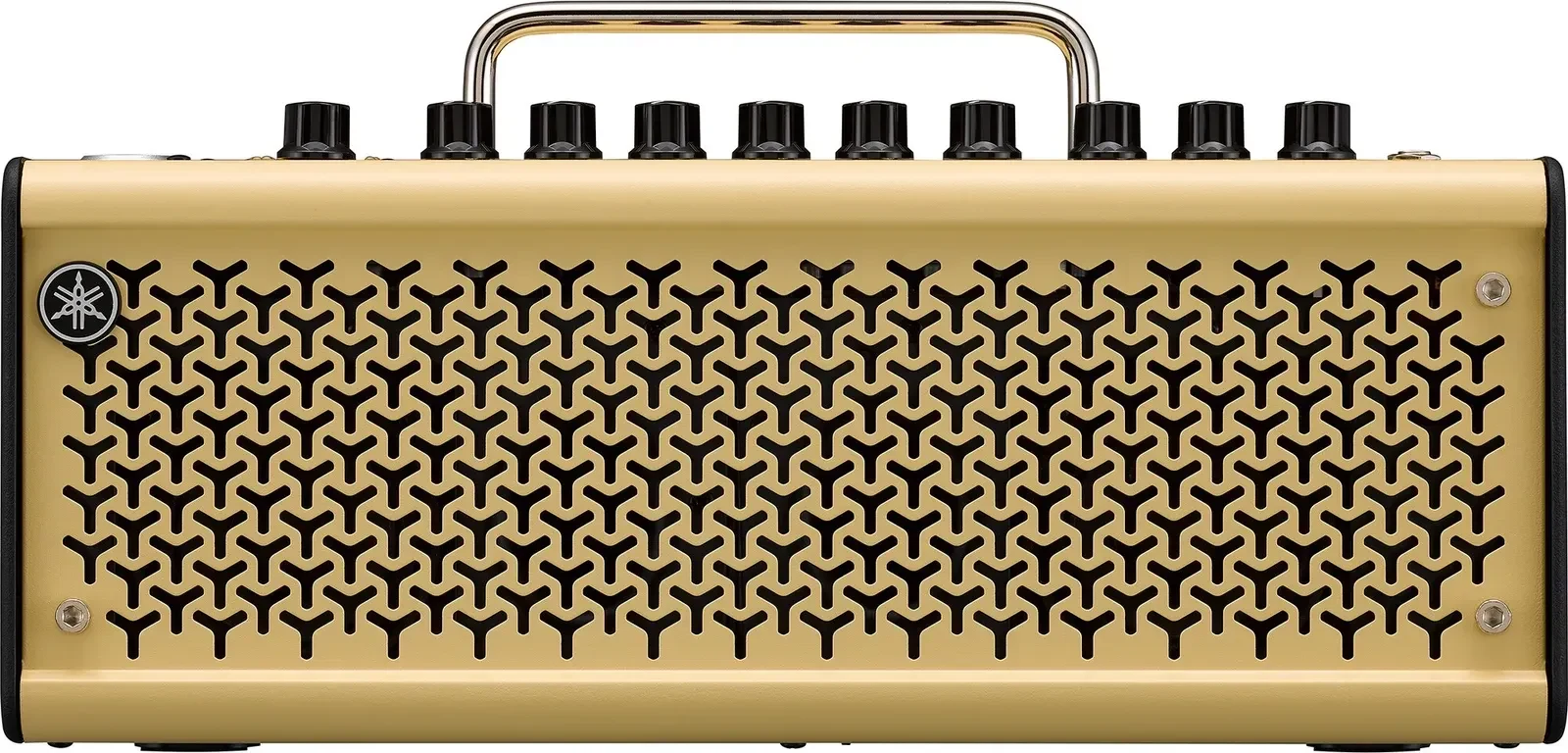
Front of the Yamaha THR10II desktop amp

Photos: Yamaha

The internet’s opinion

From 4 professional reviews and 30 owner reviews: a fair amount of evidence.

Reviewers and owners consistently praise the THR10II's sound, play-along features and app editing for home use; the main limits raised are that it cannot keep up with a band and that much of its depth sits in the app.

4 recommend

What people like

  • Convincing, satisfying tones from a small box
  • Easy to play along with songs over Bluetooth or the aux input
  • The editor app opens up much deeper tone shaping
Show 5 more
  • Louder than its size suggests
  • Looks good enough to leave out in a living room
  • Compact and easy to carry
  • Solidly built
  • Bass and acoustic voicings make it useful beyond electric guitar

What to know before you buy

  • Not loud or full enough to keep up with a band
  • Front-panel controls are limited without the app
  • Music playback through the speakers sounds thin
Show 1 more
  • No line out, effects loop or wired footswitch input
See the 4 reviews this is based on

4 professional reviews (4 recommend); 30 owner reviews read at ThomannCompiled 19 November 2026How this is compiled

Video reviews

  • Elmo KarjalainenNov 2019

    Yamaha THR10II (The Popular Practice Amp Gets An Update)

    Yamaha THR10II (The Popular Practice Amp Gets An Update)

    Elmo KarjalainenNov 2019
  • Jason RossDec 2020

    Yamaha THR 10 II Review - Hardware and software overview, and raw playing examples

    Yamaha THR 10 II Review - Hardware and software overview, and raw playing examples

    Jason RossDec 2020

Independent reviewers, not the maker’s or a retailer’s channel. Nothing loads from YouTube until you press play.

Two speakers make a small box sound wide at close range

The THR's character comes from its stereo design. Effects such as chorus, delay and reverb spread across both speakers, which makes the small box sound wider than a single-speaker practice amp when you are sitting in front of it. Sound On Sound found the reverbs especially spacious and heard a good low-end punch for such small speakers.

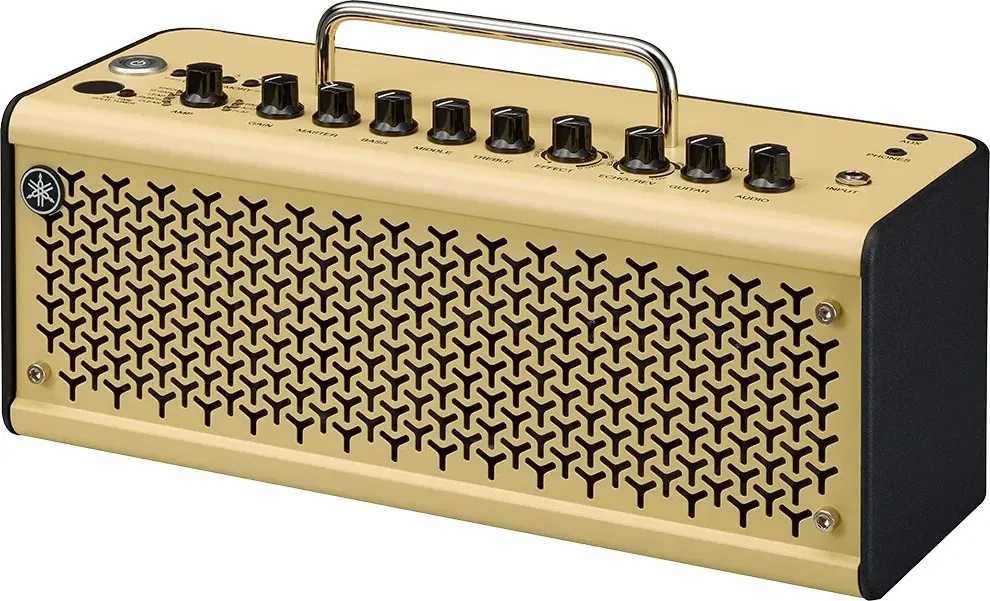
The figures are modest: 20 watts, 10 per side, into two 3.1-inch speakers, in a box 368 mm wide that weighs 3.0 kg. On the panel there are five guitar amp voices plus one each for bass, acoustic and a flat setting, with three groups of effects. The THR Remote app opens up the rest: 15 guitar models in all, extra bass and acoustic voicings, a compressor and a noise gate. It also connects to a computer over USB as an audio interface.

The THR10II is the middle model of Yamaha's second-generation THR range, the small desktop amps that turned "practice amp" into something you would leave out in a living room. A Wireless version adds a rechargeable battery and a built-in receiver for Line 6's G10T guitar transmitter, so it can be used with no cables at all.

How it sounds, by the published consensus

Reviewers find the THR10II's tones realistic and impressive for an amp of this size, and Mixdown could not find a fault in it for anyone learning. Owners and reviewers find it louder than its size suggests, though it is at its best at the volumes most home players actually use. The acoustic and bass voicings also make it a useful amp for a household with more than one instrument.

The Bluetooth connection lets it stream music or backing tracks to play along with, so it can double as the room's speaker.

Who it suits

The THR10II suits an adult player who practises at home, records demos and values design as much as features. It is less suited to a beginner on a tight budget. It is not an amp for rehearsals: Sound On Sound judged it loud enough for a small duo without drums, and reviewers and owners agree it cannot keep up with a band.

How it compares with the Katana, Mustang LT25 and Spark 2

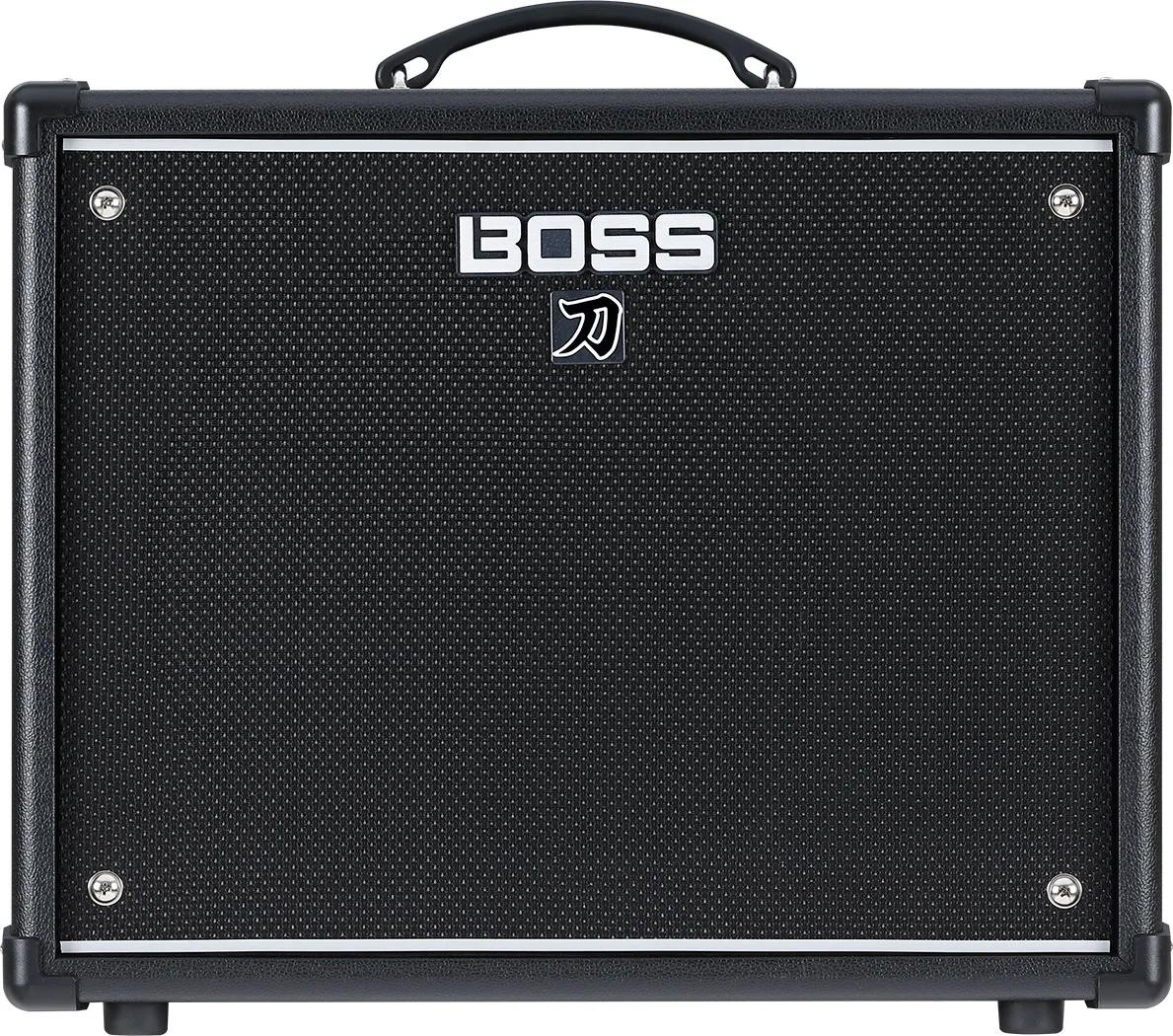
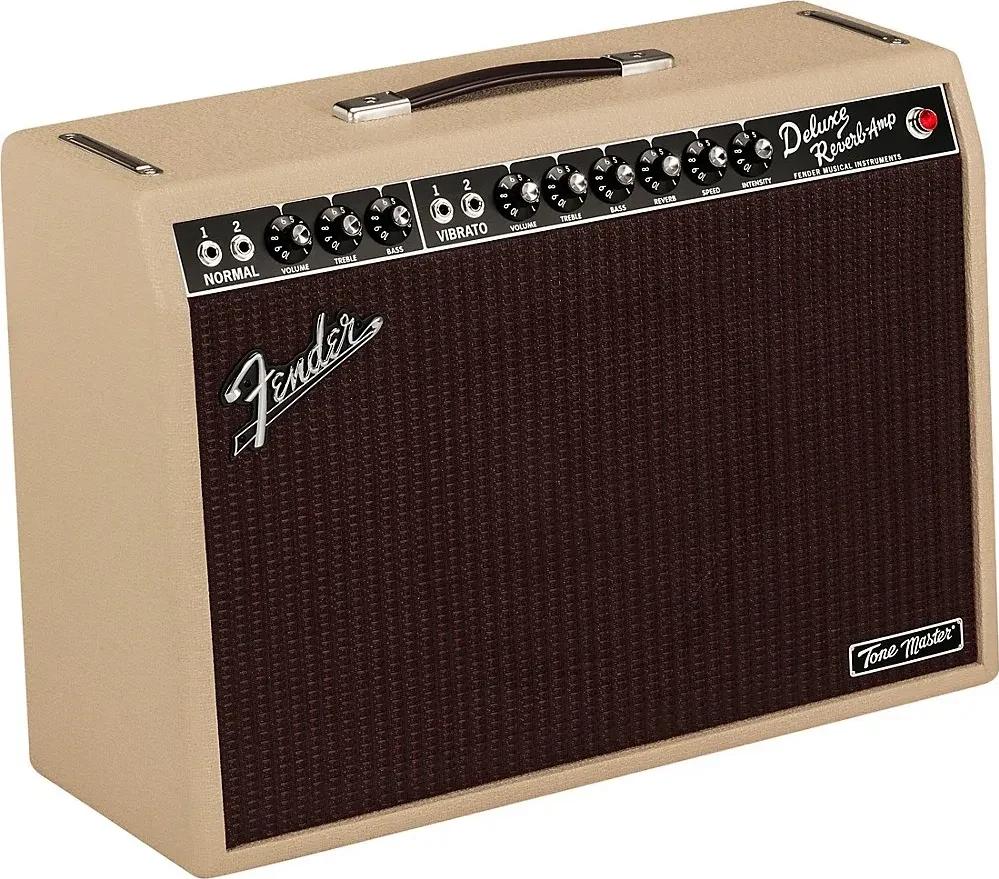
The Boss Katana-50 Gen 3 is much louder and has a 12-inch speaker, but it is a heavier floor amp with no stereo sound. The Fender Mustang LT25 costs far less and is easier for a beginner, though it is mono and has no Bluetooth. The Positive Grid Spark 2 is the closest rival: also stereo, also built around an app, but with a looper and more practice tools, while the THR is smaller and more of a shelf-friendly design object.

If the amp lives in a living room and rarely goes above conversation level, the THR10II is the one reviewers keep coming back to. See the best practice amps guide for the full comparison.
Spec sheet

Type
Desktop modelling amp
Power
20 W (10 W + 10 W)
Speaker
2 x 3.1-inch (8 cm) full range
Amp models
15 guitar, 3 bass, 3 acoustic, 3 flat voicings (5 guitar and 1 of each other type on the panel, the rest via the app)
Effects
Chorus, flanger, phaser, tremolo, echo, echo/reverb, spring reverb, hall reverb; compressor and noise gate in the app
Bluetooth
Audio and MIDI
All 11 specifications
USB
USB Audio Class 2.0
Tuner
Built in
Weight
3.0 kg (Wireless version 3.2 kg)
Dimensions
368 x 183 x 140 mm (W x H x D)
Wireless version
Rechargeable battery (about 5 hours, 15 W in battery mode) and Line 6 G10T receiver

From the manufacturer; sources not yet recorded

Sources

Guitar & Pickup doesn’t test gear: this page gathers the maker’s specs and what published reviews and owners say, and every fact on it comes from one of these.

  1. Yamaha Singapore: THR10II Wireless, with THR10II comparison
  2. Mixdown: Yamaha THR10II review
  3. Performer Magazine: Yamaha THR10 II review
  4. Sound On Sound: Yamaha THR10 II
  5. Bonedo: Yamaha THR II amps test
  6. Thomann: Yamaha THR10II customer reviews