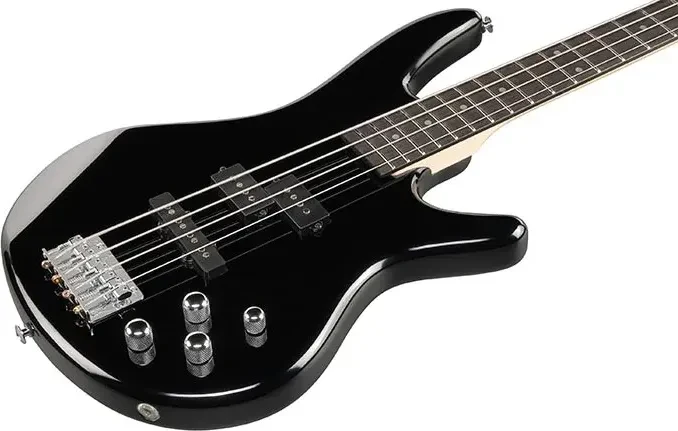
A light, compact first bass with a simple low-end boost
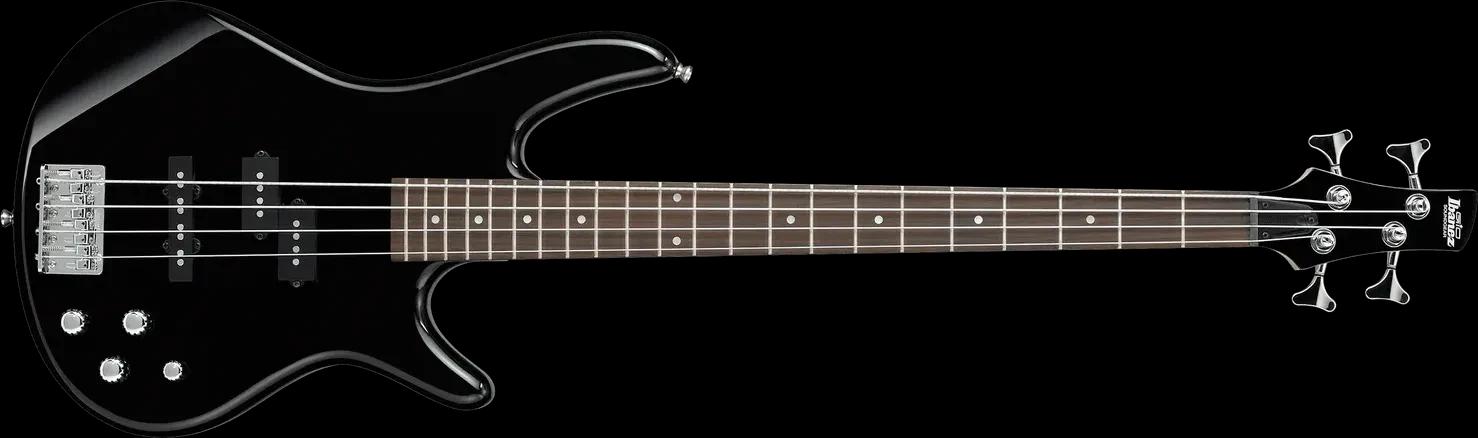
What makes the GSR200 easy for a younger or smaller beginner to manage is its body: the shape of Ibanez's long-running SR bass, smaller and more sculpted than a Fender-style bass. The nut is 41 mm wide and the scale is the standard 34 inches. Pickups are a passive Dynamix P at the neck and Dynamix J at the bridge, with a volume for each, a tone and a Phat II knob, a single active boost aimed at the low end.
Ibanez's European specification gives an okoume body and a maple neck with a purpleheart fingerboard, 22 medium frets and a 305 mm radius. Specs differ in other markets: the US version, for example, lists a poplar body and a jatoba fingerboard. Check the listing for the version on sale near you. Gio is Ibanez's most affordable range, and the GSR200 brings the SR shape down to beginner level.
What reviewers and owners report
The evidence is one magazine test, by the German site Bonedo, and owner reviews at Thomann. Owners most often praise the GSR200's comfort: it is light and easy to play, and many call it a sound first bass. Bonedo found it very well made for the price, and owners broadly agree that it sounds and is built better than its price suggests.
The Phat II control is the feature that sets it apart. It is a single active boost aimed at the low end; Ibanez's own frequency description gives it the most range, about 15 dB, around 100 Hz. Bonedo liked it as a far simpler control for a beginner than a full active EQ, and several owners find it adds useful low end, though a few call it limited and say it can turn muddy. Bonedo heard the familiar P and J sounds from the two pickups, and owners say they cover a good range.
The limits are what you would expect at this price. Bonedo found the treble a little dull, especially with both pickups on, and heard a slight buzz high up the neck, which a couple of owners also report. Owners mention finish and hardware details that feel budget, a setup needed out of the box, poor factory strings and, in a few cases, electronics that developed faults or hum. The bass boost is the only active control.
Who it suits
It suits beginners who want a light, modern-shaped bass rather than a copy of a classic, which is the buyer Bonedo had in mind. It is also a practical choice for younger players, for whom the smaller body is easier to manage.
If you prefer the classic Fender look and feel, or you are already confident you will keep playing, other options make more sense. The guide to bass pickups explained covers how the P and J pickups differ.
What to compare it with
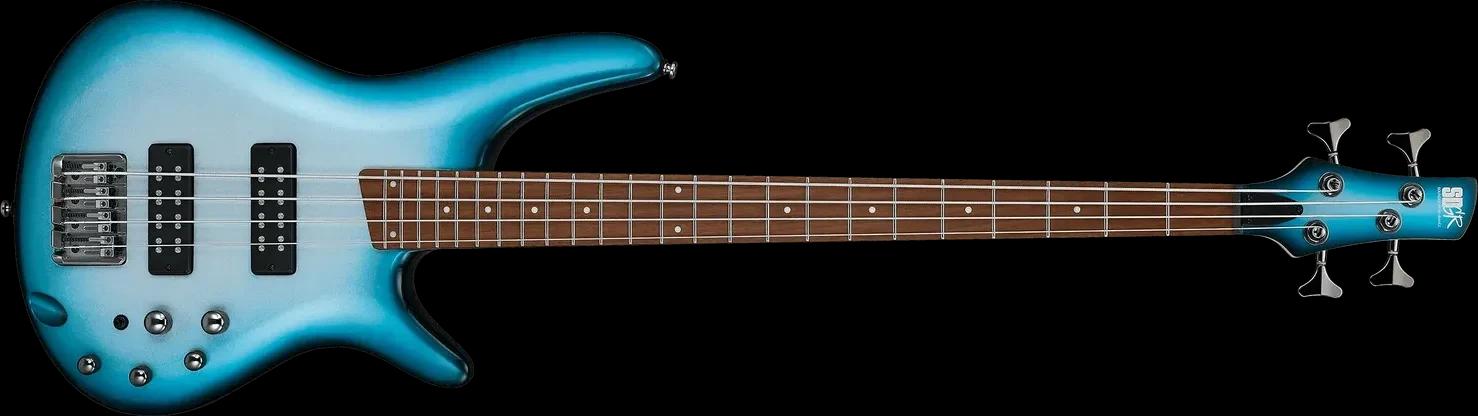
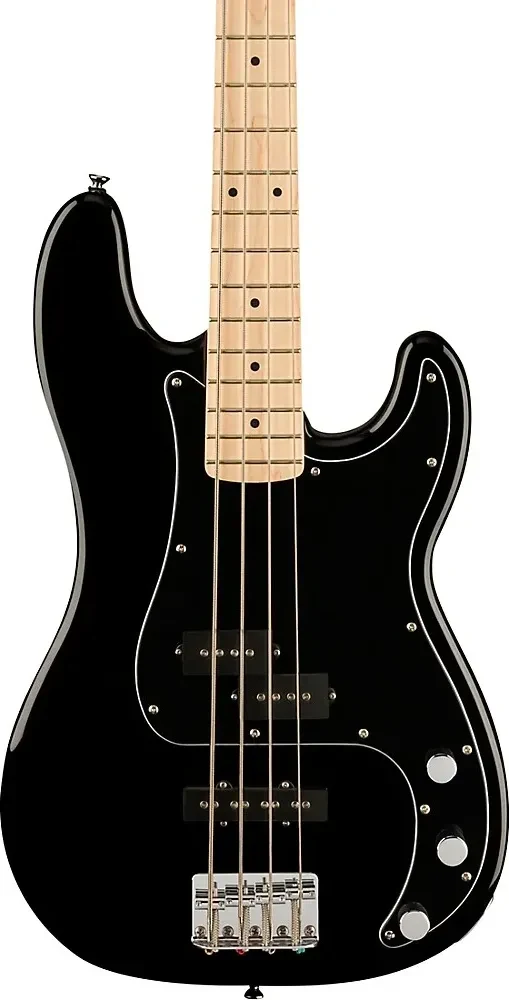
The Squier Affinity Precision Bass PJ is the direct rival, with the same PJ layout in a traditional Fender shape and a fully passive circuit. The step up within Ibanez is the Ibanez SR300E, which adds a three-band active EQ and switchable pickups. For a different flavour of active bass, see the Yamaha TRBX304.