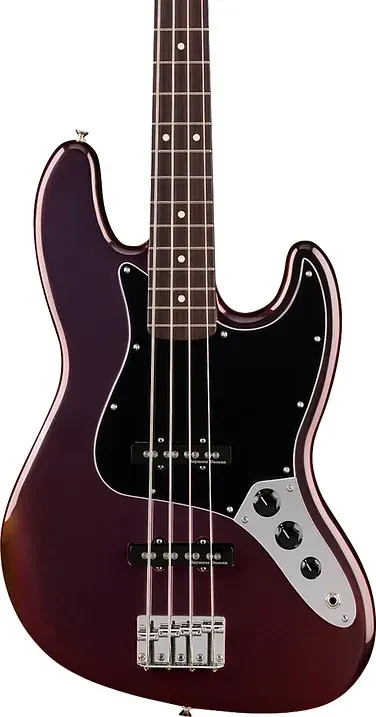
A real Fender Jazz Bass with the neck made more comfortable
The Player II's changes are mostly about how the bass feels in the hand. Its maple neck has a Modern C profile with a satin finish on the back and rolled fingerboard edges, with 20 medium jumbo frets on a 9.5-inch radius and a 38.1 mm synthetic bone nut. Two Player Series Alnico V single coils run through the classic Jazz Bass layout of two volumes and a master tone, and slab rosewood returns as a fingerboard option alongside maple.
The body is alder, the traditional Jazz Bass wood. Hardware is a four-saddle bridge with single-groove steel barrel saddles, mounted with five screws, and open-gear tuners. The Player II series replaced Fender's original Player line as the company's mid-price range, between Squier and Fender's US-made instruments.
What reviewers and owners report
At the time of writing, in-depth magazine reviews of the standard Player II Jazz Bass are scarce, so the fairest picture comes from reviews of the series and of its predecessor. Reviewers of the Player II guitars and the Player II Precision Bass single out the rolled fingerboard edges and satin neck as small changes that make a real difference to comfort. The original Player Jazz Bass was named the best mid-range Jazz Bass in Guitar World's round-up, praised for its classic sound and sturdy build.
The pickups follow the familiar Jazz Bass pattern: a warm, round neck pickup, a tighter and more cutting bridge pickup, and the scooped growl that comes from running both together. Like any passive Jazz Bass with single coils, it hums when either pickup is soloed, and there is no onboard EQ for shaping tone beyond the master tone control.
Early owner comments are positive, mostly praising the neck. As with any bass, some report that it benefited from a setup and intonation check on arrival.
Who it suits
It suits players who want a genuine Fender Jazz Bass with a modern, comfortable neck, whether as a first serious bass or a dependable gigging instrument. It covers rock, funk, soul, pop and indie, and the passive circuit keeps things simple.
It is less suited to players who want active EQ for extra tone shaping, or vintage-correct details such as a rounder neck and smaller frets. The guide to bass pickups explained covers what the Jazz Bass pickup layout does.
What to compare it with
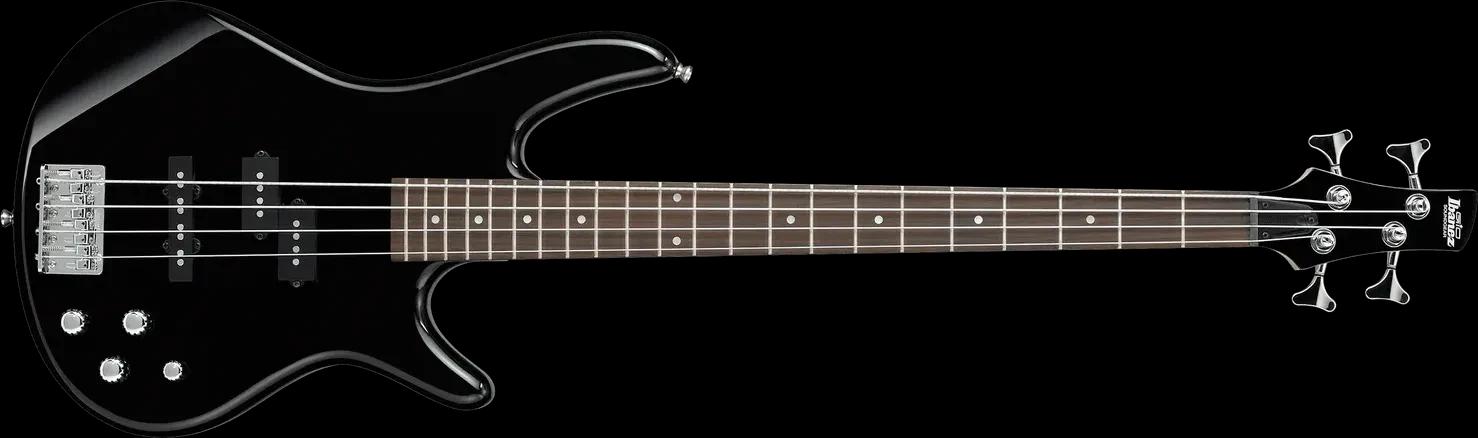
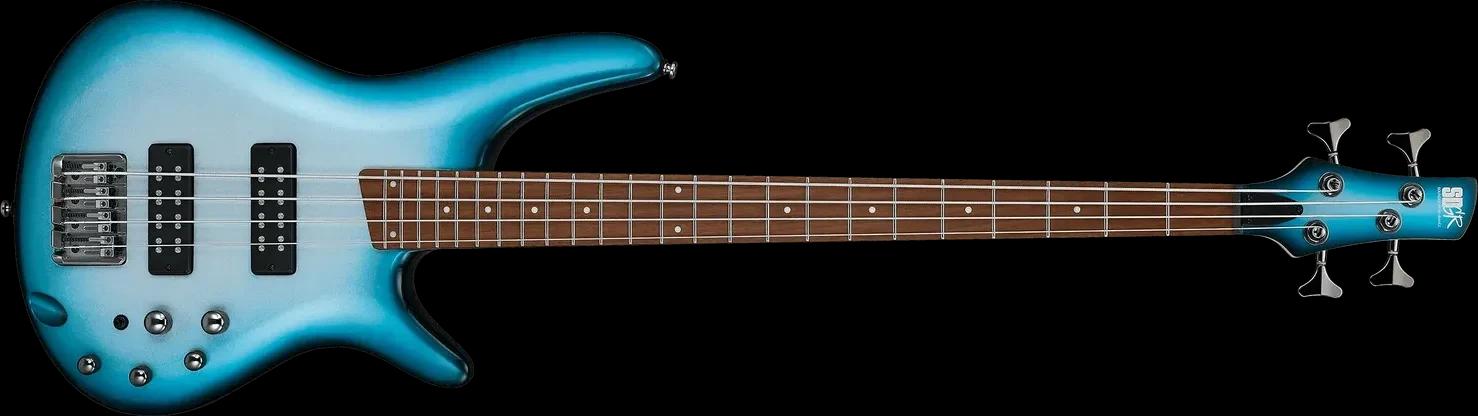
The Squier Classic Vibe '60s Jazz Bass is the budget alternative, with a more vintage feel and a gloss neck, and reviewers rate it highly for the money. If you want active electronics at a lower price, the Yamaha TRBX304 and Ibanez SR300E both offer more tone shaping. Guitarists who want the matching six-string can read the Fender Player II Stratocaster review.