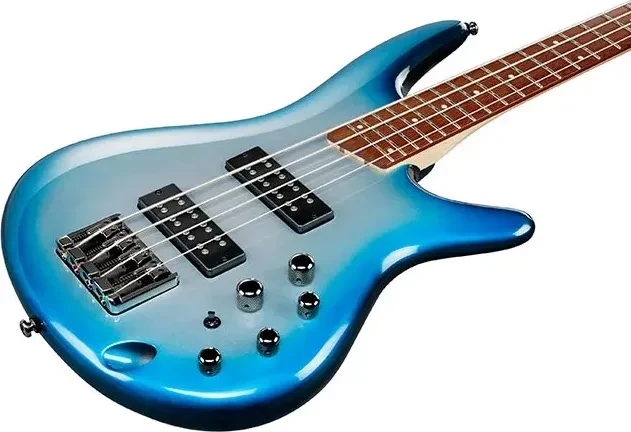
A slim neck and a wide range of active tones in one step-up bass
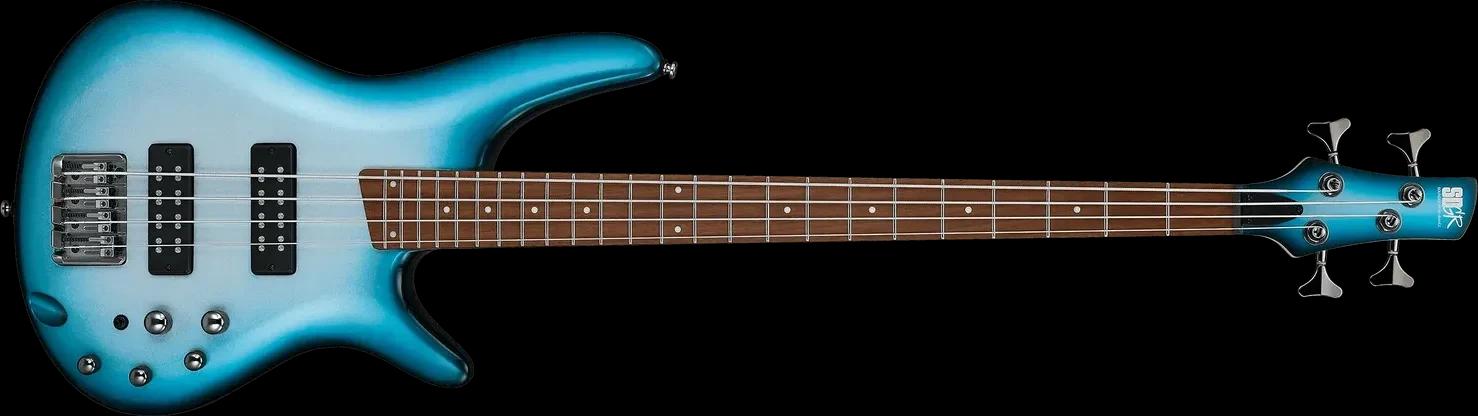
For a player moving on from a first bass, the case for the SR300E is the neck and the electronics. The nut is 38 mm wide and the neck 19.5 mm deep at the first fret, figures that put it among the slimmer four-string necks. Two passive PowerSpan Dual Coil pickups feed an Ibanez three-band active EQ, with volume, pickup balance and a three-way Power Tap switch; this is where the SR line gets a full active EQ.
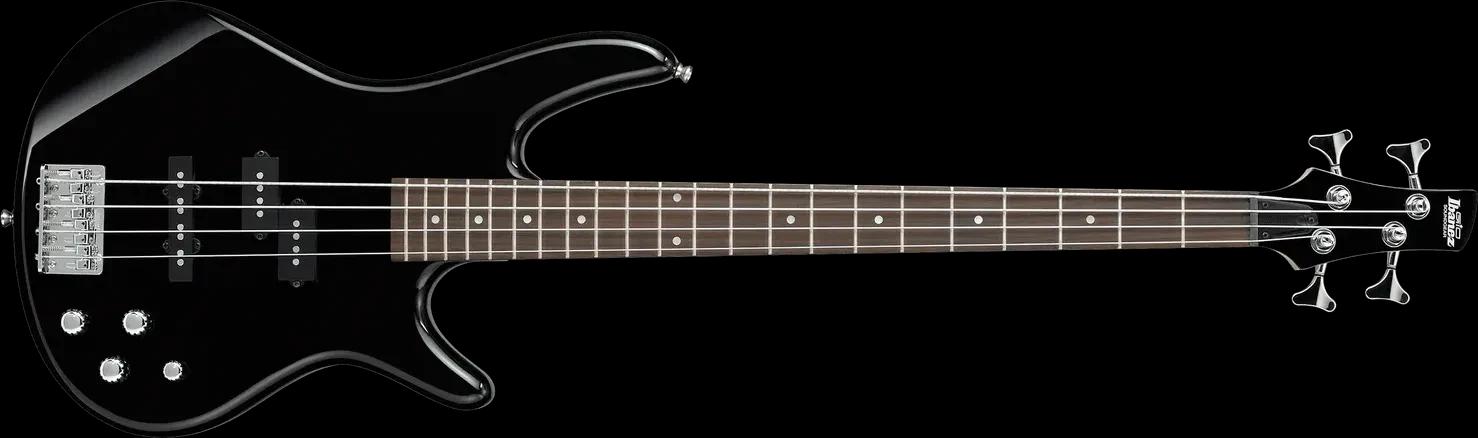
The body is okoume and the neck a five-piece maple and walnut construction, with a jatoba fingerboard, 24 medium frets and a 305 mm radius. The bridge is Ibanez's Accu-cast B120. Ibanez's SR has been a staple for modern bassists since the late 1980s, known above all for its thin neck and sculpted body. The SR300E sits above the Gio basses such as the GSR200 and below the more expensive SR Premium and Prestige models.
What reviewers and owners report
The neck is the first thing reviewers and owners mention. It is consistently described as fast and easy to play, especially for players with smaller hands or those coming from guitar. No Treble and Bonedo both recommend it, and Guitar World includes it in its round-up of the best budget basses; only two owner reviews could be read at Thomann, too few to speak for owners.
The Power Tap switch is the other highlight. In one position the pickups run as single coils for a punchy, articulate, more traditional sound; in the middle they run as full humbuckers for a warmer, fuller tone; and the third, Power Tap, combines single-coil clarity with added low end. With the three-band EQ on top, reviewers describe it as covering everything from vintage-style tones to modern rock and metal.
The reservations are modest. Some players find the modern body shape and headstock unappealing next to Fender-style designs. One reviewer found the EQ leaned bright and hot and needed careful setting with some amps. As an active bass, it also needs a battery.
Who it suits
It suits players moving on from a first bass who want a slim neck and a lot of tonal control, and it is a strong choice for rock, metal, funk and modern pop. It is also a good fit for guitarists doubling on bass, who often find the slim neck familiar.
It is less suited to players who want the look and simplicity of a passive Fender-style bass. The guide to bass pickups explained covers the difference between single-coil and humbucking bass pickups, and active vs passive pickups explains what an onboard preamp adds.
What to compare it with
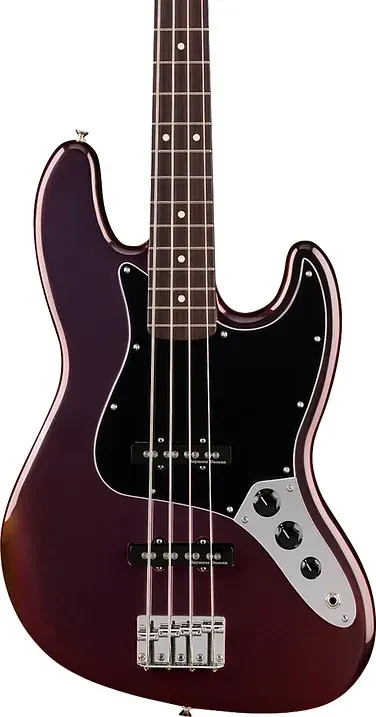
The Yamaha TRBX304 is the closest rival: also active, also slim-necked, with preset EQ curves rather than a mid control. If you prefer a traditional sound and look, the Squier Classic Vibe '60s Jazz Bass is the passive alternative at a similar level. A beginner on a tighter budget should look at the GSR200.