Best all-round set
Fender Custom Shop Twisted Tele pickup set
A punchier Tele bridge and a clearer, Strat-like neck; skip it if you want a purely traditional Tele.
Only 1 professional review so far, 1 recommending it20 owner reviews read
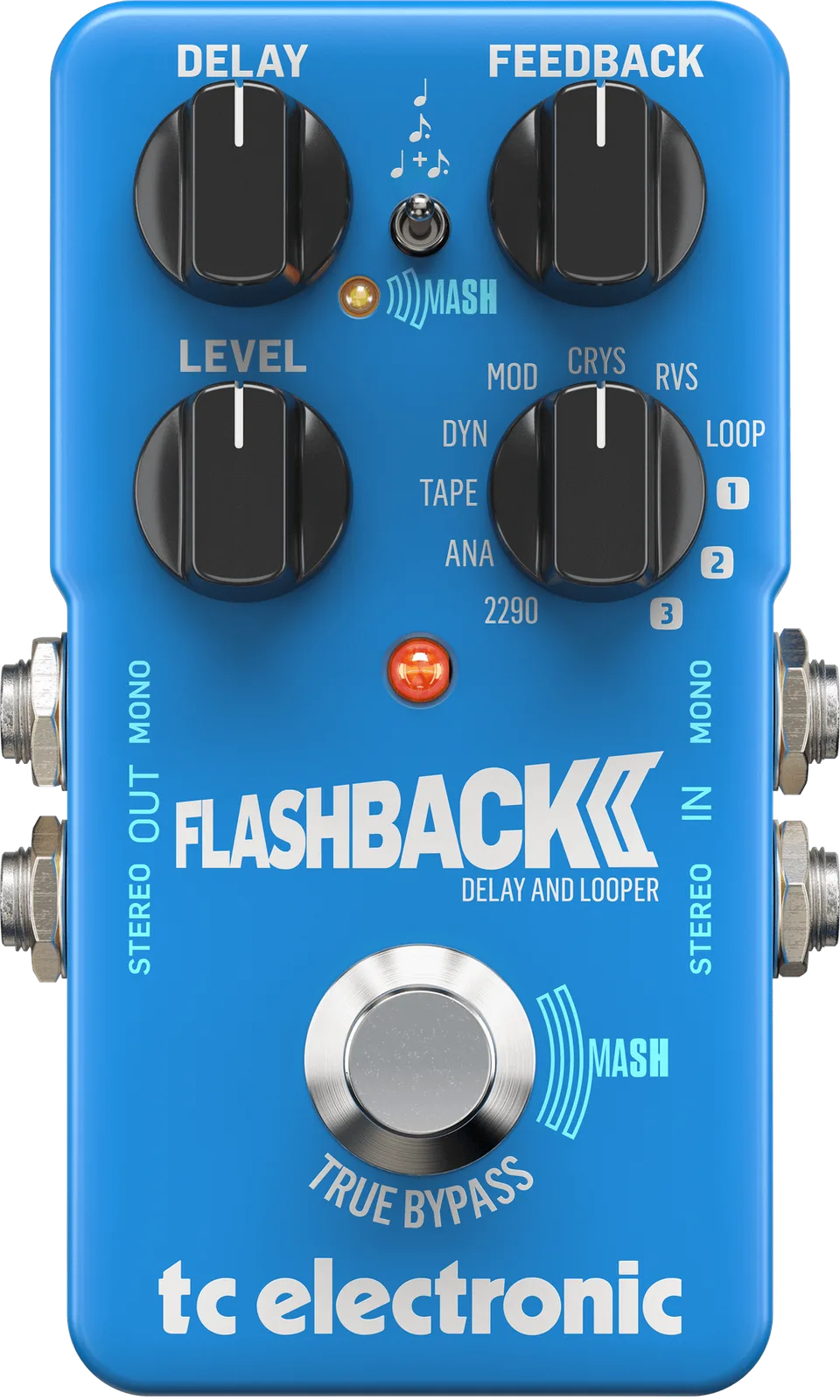
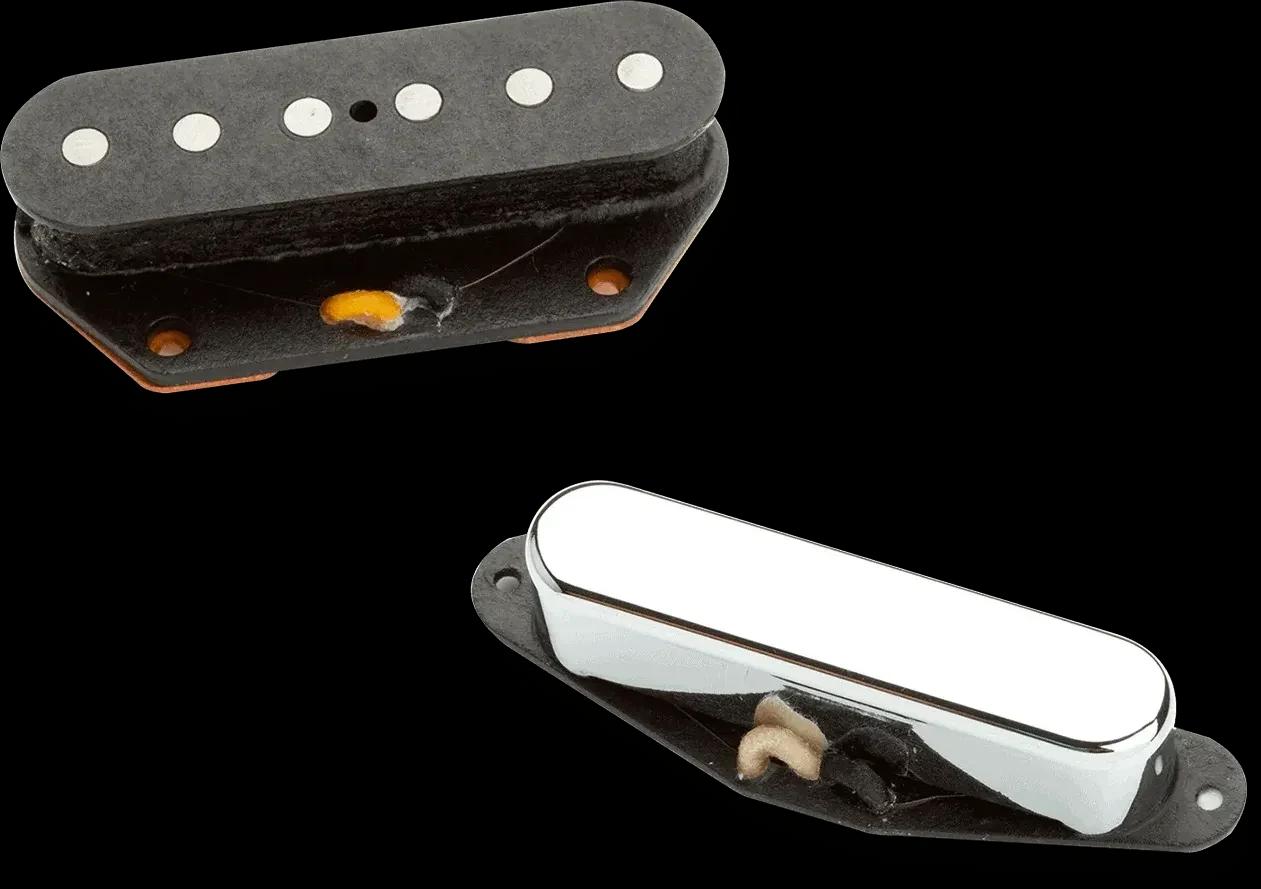
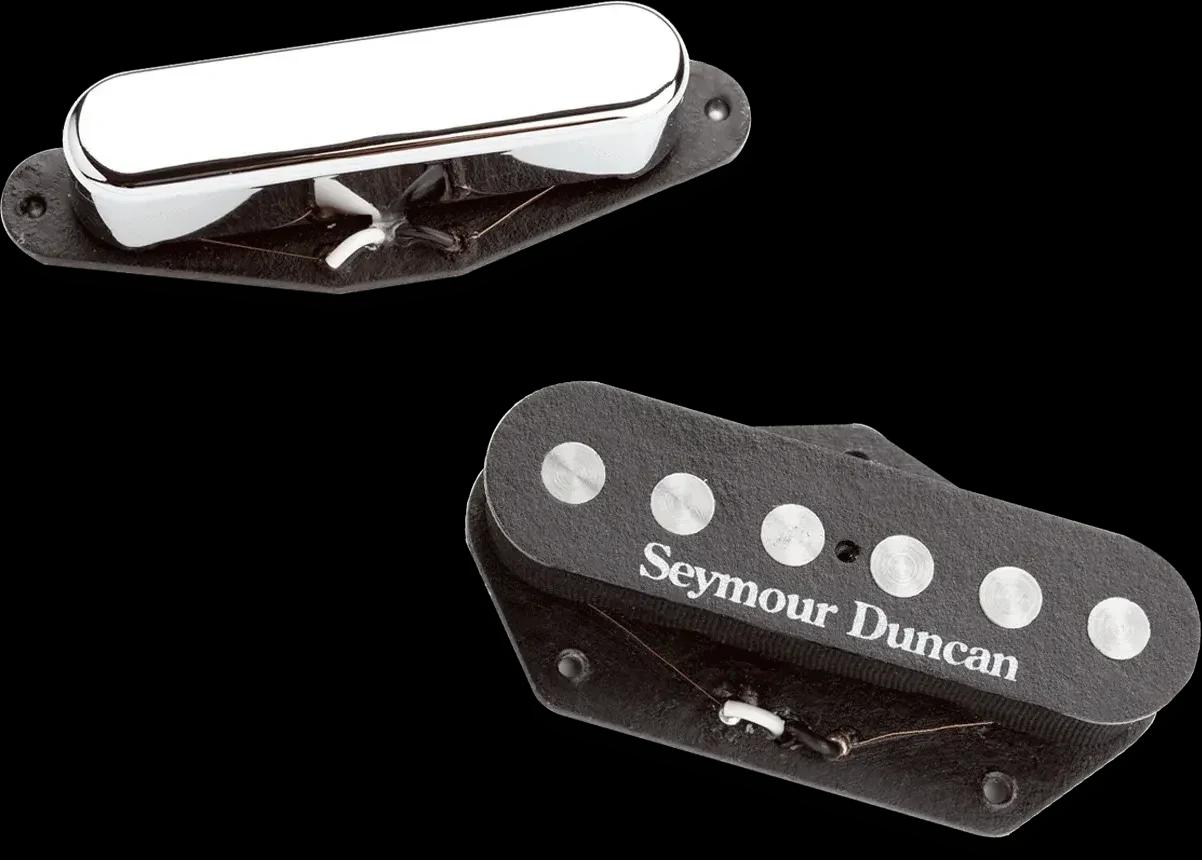
The Fender Custom Shop Twisted Tele set replaces both pickups and suits a Tele whose bridge sounds thin or spiky and whose neck sounds muddy. Fender lists the bridge at 10.16k and the neck at 5.9k DC resistance, both over Alnico 5 magnets, and describes the voice as hot Tele tone with a dash of Stratocaster sparkle. Each pickup is wound for its position.
Guitar Player names it the most versatile Tele set: a punchier bridge with a darker midrange and less pronounced twang, and an airier, brighter, Strat-like neck, with enough output to drive a valve amp. The 20 Thomann owner reviews read agree. They describe a loud, punchy bridge that keeps its bite without the usual shrillness, praise the neck for clarity above all, and owners who fitted it to Mexican-made, Japanese and Squier Teles mostly call it a clear upgrade.
It is not a traditional Tele voice, and Guitar Player warns off players who want only that. Three owners found the bridge bright or shrill all the same, and three mention small hardware faults: poor neck screws, short height rubbers and a loose lead. The evidence is one buying-guide entry and 20 owner reviews.
- Best for
- Tele owners who want a rockier bridge and a clearer neck pickup for blues, rock and country, in a drop-in pair.
- Skip it if
- You want a strictly vintage Tele voice, or a bridge pickup with humbucker-level output.
What people like
- Punchy bridge that keeps Tele bite without the usual shrillness
- Clear, Strat-like neck pickup
What to know before you buy
- Bridge can sound bright or shrill
- Small hardware faults: poor neck screws, short height rubbers, a loose leadReplaceable part
Video reviews
- Bart Hyde MusicMay 2021
- Arno UnterlaßOct 2018
Best set for the early-1950s sound
Fender Pure Vintage ’52 Telecaster pickup set
For Tele players after early-1950s snap and twang; too low in output for a gritty, modern Tele.
Photos: Gear4music
Only 1 professional review so far, 1 recommending it
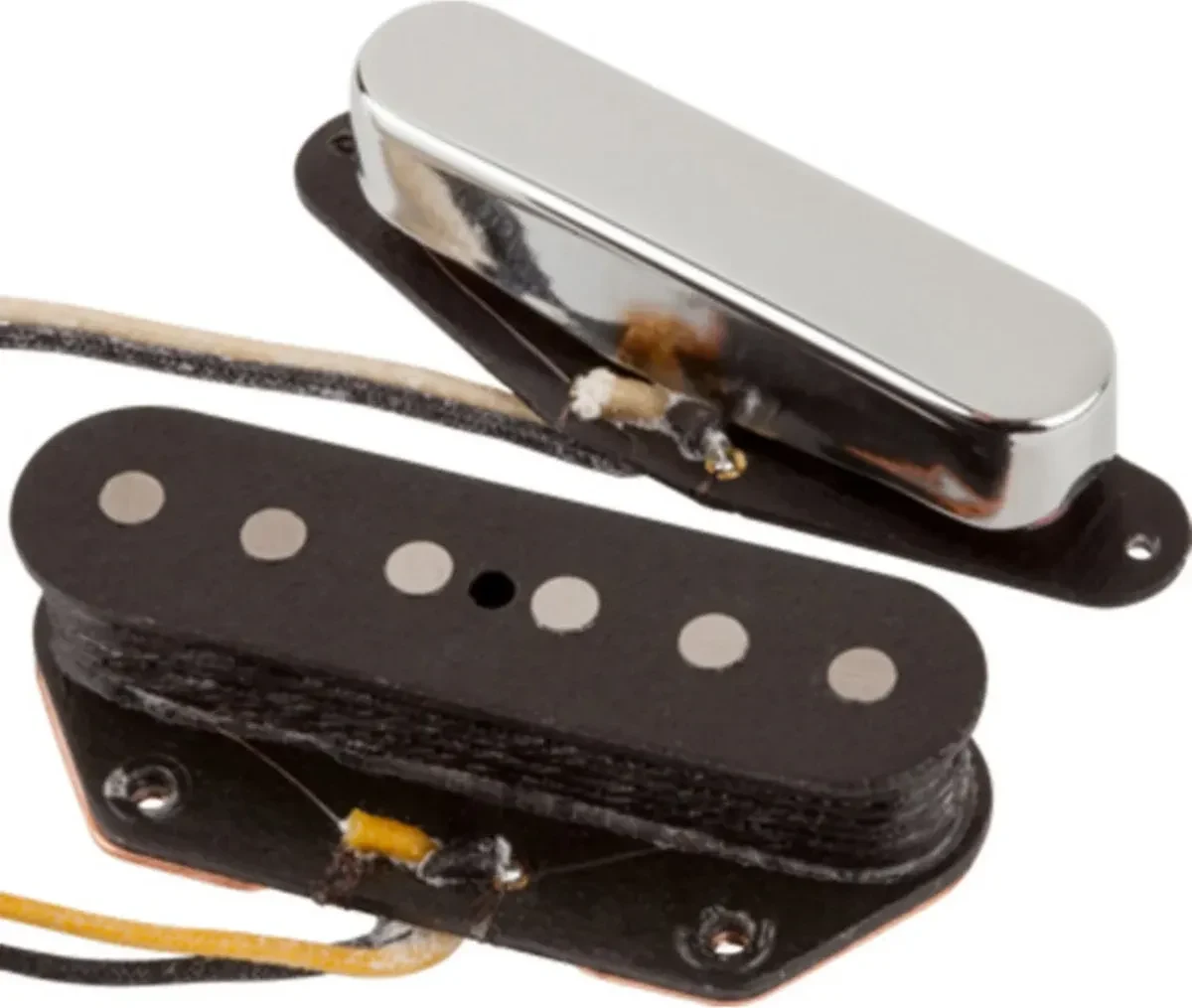
The Fender Pure Vintage ’52 set is the other matched pair, and the one for players who want the original Tele sound: a bright, snappy bridge and a warmer neck. The figures are low, with the neck at 7.2k and the bridge at 6.6k over Alnico 3 magnets, and Fender builds it the vintage way, with fibre bobbins, flush-mount poles, cloth-covered leads and a copper-plated steel base plate under the bridge pickup.
Guitar Player names it the best vintage Tele set, for midrange snap, clarity and a firm low end that recall the early Telecaster. That buying-guide entry is the only assessment found, and Thomann no longer lists the set, so there are no owner reviews to weigh: treat it as one informed view rather than a consensus.
Low output is the catch. Fender describes it as vintage output and Guitar Player is clear it will not give a modern Tele sound, so players who want a grittier bridge should look at the picks below.
- Best for
- Telecaster owners who want a traditional, vintage-output Tele sound for country, blues, rock and pop.
- Skip it if
- You want a hotter, grittier Tele bridge for overdriven rock, or need hum-free pickups.
Video reviews
- Made by MiikeSept 2025
Best bridge pickup for the classic sound
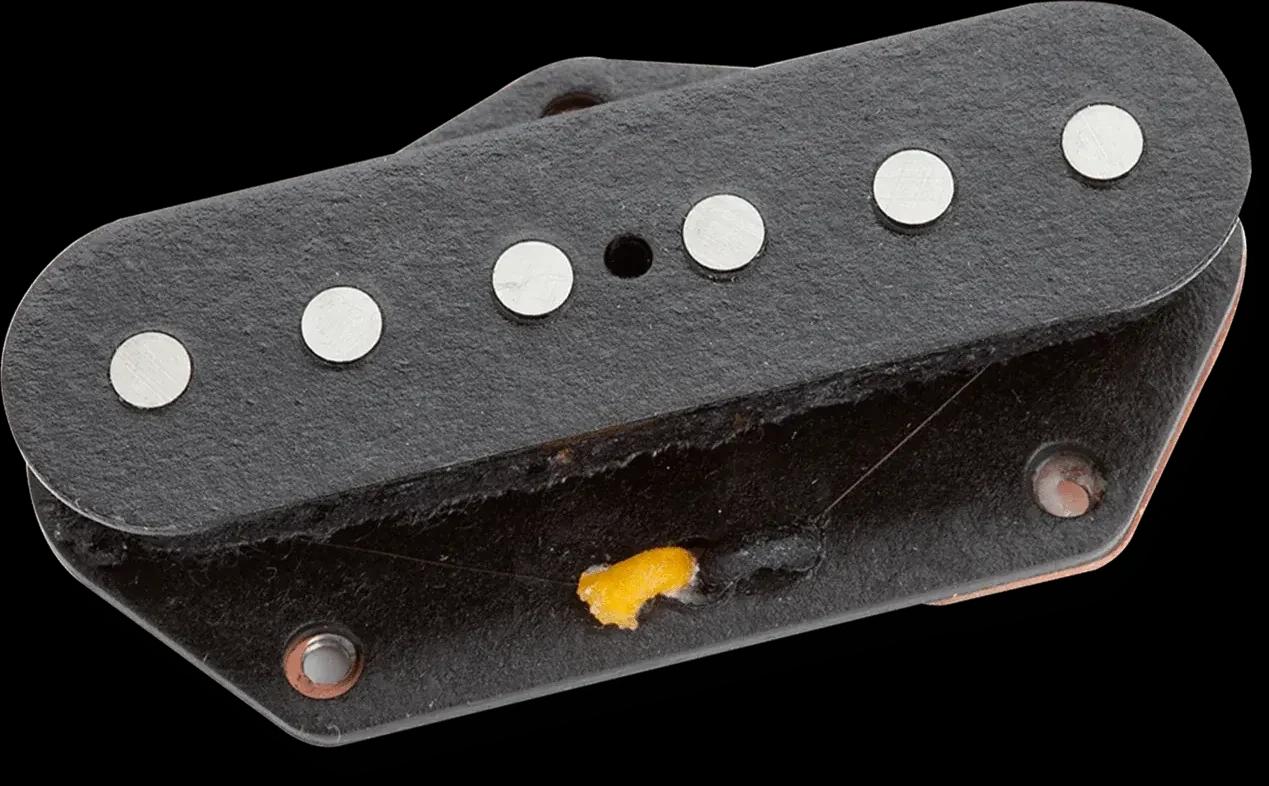
Seymour Duncan Vintage Broadcaster (STL-1b)
For the original Tele bridge snap with a touch more grit; a few owners find its treble too sharp.
Photos: Seymour Duncan
16 owner reviews read
The Seymour Duncan Vintage Broadcaster (STL-1b) is a bridge pickup only, for a player who wants the classic Tele bridge sound without replacing the neck. Seymour Duncan calls it a tribute to the 1950 original and the hottest of its vintage-output Tele pickups: 8k over slightly larger Alnico 5 rods (0.197 in), against the 6.6k of Fender's ’52 bridge, with a Forbon bobbin, cloth leads, a copper-plated base plate and wax potting.
No magazine review was found, so this rests on the 16 owner reviews Thomann lists. Most say it gives an authentic Tele bridge sound, with snap, twang and clarity, and several hear a little more grit than a strictly vintage pickup. Owners who replaced stock pickups, or Fender's Texas Special and Tex-Mex sets, call it a clear step up.
Opinion splits on its edge. Two owners find the treble harsh or shrill, a few hear less twang than they expected, and one who fitted it to a Squier Classic Vibe ’50s Telecaster found it shrill, so it suits a guitar that is not already bright.
- Best for
- Tele and Esquire owners who want the traditional bridge sound, with a little more bite than a strictly vintage-spec pickup, for country, blues and rock and roll.
- Skip it if
- Your Tele already sounds too bright, or you want a hot bridge pickup for high-gain rock.
What people like
- Authentic classic Telecaster bridge sound
- Snap and twang with clarity
What to know before you buy
- Less twang than some owners expected
- Treble can sound harsh or shrill
Video reviews
- Six-String SamuraiMay 2015
- Gian Sartori OficialDec 2020
Best bridge pickup for overdriven rock
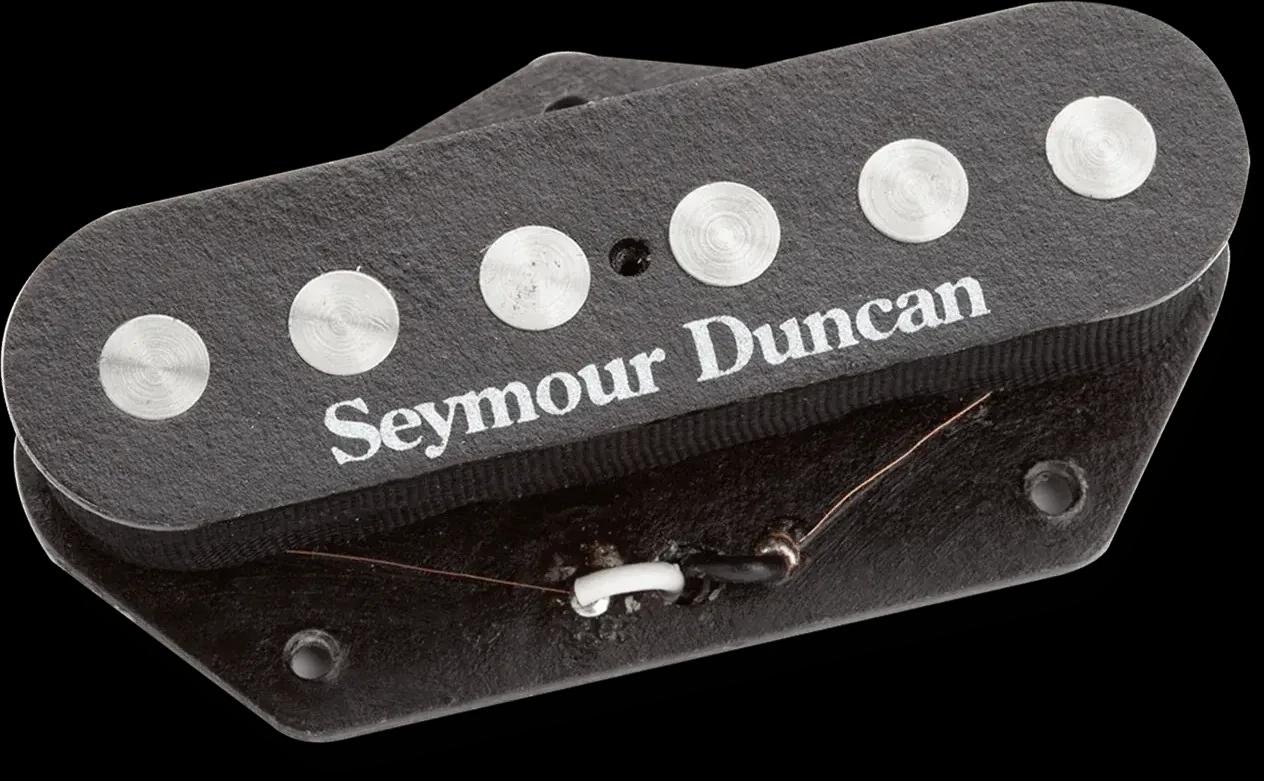
Seymour Duncan Quarter-Pound Tele (STL-3)
Humbucker-level push from a Tele single coil; vintage purists will miss the classic twang.
Photos: Seymour Duncan
Only 2 professional reviews so far, 2 recommending it30 owner reviews read
The Seymour Duncan Quarter-Pound Tele (STL-3) is also a bridge pickup only, for a Tele player who wants to hit an amp as hard as a humbucker guitar without fitting a humbucker. Seymour Duncan lists 17k over quarter-inch Alnico 5 poles, more than twice the 6.6k of Fender's ’52 bridge, and calls it its highest-output Tele single coil. A tapped version adds a lower-output sound.
This pick has the strongest evidence of the four. MusicRadar makes the Quarter Pound set the top pick of its Telecaster pickup guide, hearing a growl close to a P-90's, and Guitar Player names it the best modern choice, with humbucker-style punch while it stays a true single coil. Of the 30 Thomann owner reviews read, output is the most repeated point, and many say it still keeps enough bite to sound like a Tele.
It trades away the vintage voice: MusicRadar and several owners find less classic twang and fewer airy cleans, and two owners struggled to get a really clean tone. Two found it slightly larger than the pickup it replaced, and two broke its fine coil lead while fitting it.
- Best for
- Tele players who want a bridge pickup that drives an amp like a humbucker for blues-rock, rock and heavier styles, without changing the guitar's look.
- Skip it if
- You want the bright, airy twang of a 1950s Tele, or mostly play clean country and pop.
What people like
- Humbucker-like output and punch from a single coil
- Keeps much of the Tele's bite and twang
What to know before you buy
- Trades away some classic vintage twang and airy cleans
- Hard to get a really clean sound from it
Video reviews
- Paul Stafford CookSept 2020
- jeffhermansSept 2015
Side by side
From each maker's specifications, as listed on the full reviews.
| Fender Custom Shop Twisted Tele pickup set | Fender Pure Vintage ’52 Telecaster pickup set | Seymour Duncan Vintage Broadcaster (STL-1b) | Seymour Duncan Quarter-Pound Tele (STL-3) | |
|---|---|---|---|---|
| Type | Single coil, set of two | Single coil, set of two | Passive single coil, Tele bridge | Passive single coil, Tele bridge (Lead) |
| Magnet | Alnico 5 | Alnico 3 | Alnico 5 rods, 0.197 in diameter, hand ground | Alnico 5 rods, 1/4 in diameter, hand polished |
| DC resistance | Neck 5.9k, bridge 10.16k | Neck 7.2k, bridge 6.6k | 8k | 17k |
| Output | Moderate (Fender's rating) | Vintage | Vintage output range, the hottest of Seymour Duncan's vintage Tele models | High: Seymour Duncan's highest-output Tele single coil |
| Wiring | – | Cloth-covered lead wire | Waxed cloth push-back hook-up wire | PVC lead wire |
How to choose
- Both pickups, one rockier and more versatile Tele: the Twisted Tele set.
- Both pickups, the early-1950s sound for country, blues and pop: the Pure Vintage ’52 set.
- Bridge only, the classic sound with a little more bite: the Vintage Broadcaster.
- Bridge only, humbucker-level output for overdriven rock: the Quarter-Pound Tele.
Sets and bridge-only pickups
The four bridge pickups make a scale of output: 6.6k for the ’52, 8k for the Vintage Broadcaster, 10.16k for the Twisted Tele and 17k for the Quarter-Pound. DC resistance is not a direct measure of output, though: Fender rates the Twisted Tele's 10.16k bridge as moderate. Pickup specifications explained covers what the figures do and do not tell you.
The two Fender sets replace both pickups with a pair voiced to work together. The two Seymour Duncan picks replace the bridge alone, which leaves a decision about the neck.
The neck pickup when you change only the bridge
Seymour Duncan sells both bridge picks with matching neck pickups and recommends the sets. The Vintage Broadcaster's partner is the Vintage Tele Rhythm, listed at 7.63k. The Quarter-Pound's is the Quarter-Pound Rhythm, an overwound neck pickup listed at 11.8k, and Seymour Duncan gives keeping the two pickups in phase as one reason to buy them together. Neither neck pickup is reviewed on this site.
If you keep the existing neck pickup, the gap in output is what to watch. Owners pair the Vintage Broadcaster with Seymour Duncan's vintage neck pickups or, in one case, a neck humbucker. The Quarter-Pound is far hotter than a vintage-style neck, so owners either balance the two with pickup height, as one owner did with the stock neck of an earlier Classic Vibe Tele, or fit a hotter neck pickup, a humbucker or the matching Rhythm. How to set pickup height covers the balancing.
Fitting and the guitar
All four are made for standard Telecaster routes, so none needs routing. The bridge pickup mounts to the bridge plate and the neck pickup sits under the pickguard, and both are soldered to the switch; how to change a pickup walks through the job. The Telecaster wiring diagram shows every connection to the switch and pots.
The Squier Classic Vibe ’50s Telecaster lists all four as upgrades. Owners report fitting the Twisted Tele set and the Vintage Broadcaster to it, and the Quarter-Pound to an earlier Classic Vibe Tele. For the background on why Tele pickups sound as they do, see single coil pickups explained, and for the Strat equivalent of this guide, best Stratocaster pickups.