Humbucker-level push from a pickup that still looks like a Tele bridge
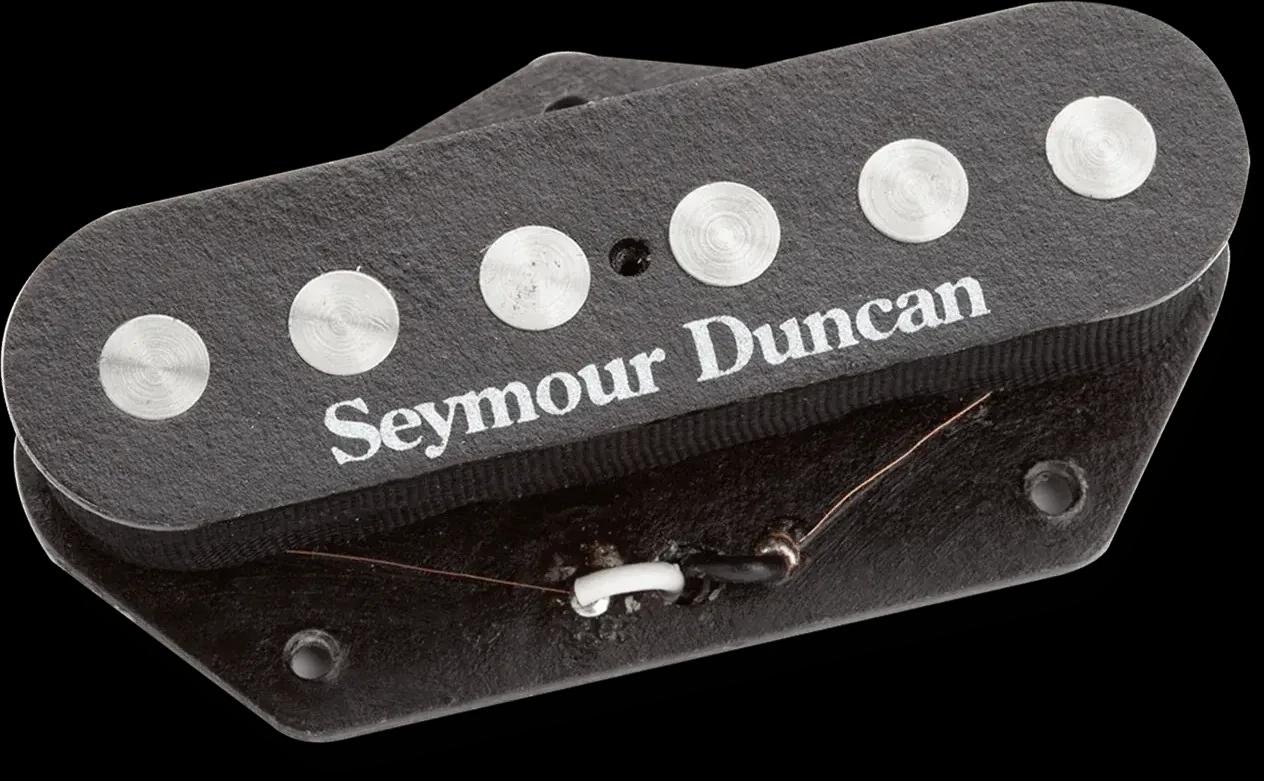
The STL-3 is for Tele players who want to hit an amp as hard as a humbucker guitar without fitting a humbucker. Owners describe it as fat, punchy and much louder than a stock Tele bridge, with fuller mids, and MusicRadar hears a growl close to a P-90's. The figures explain it: Seymour Duncan lists 17k DC resistance, about twice the 8k of its own Vintage Broadcaster and well over twice the 6.6k Fender gives for its Pure Vintage ’52 bridge pickup.
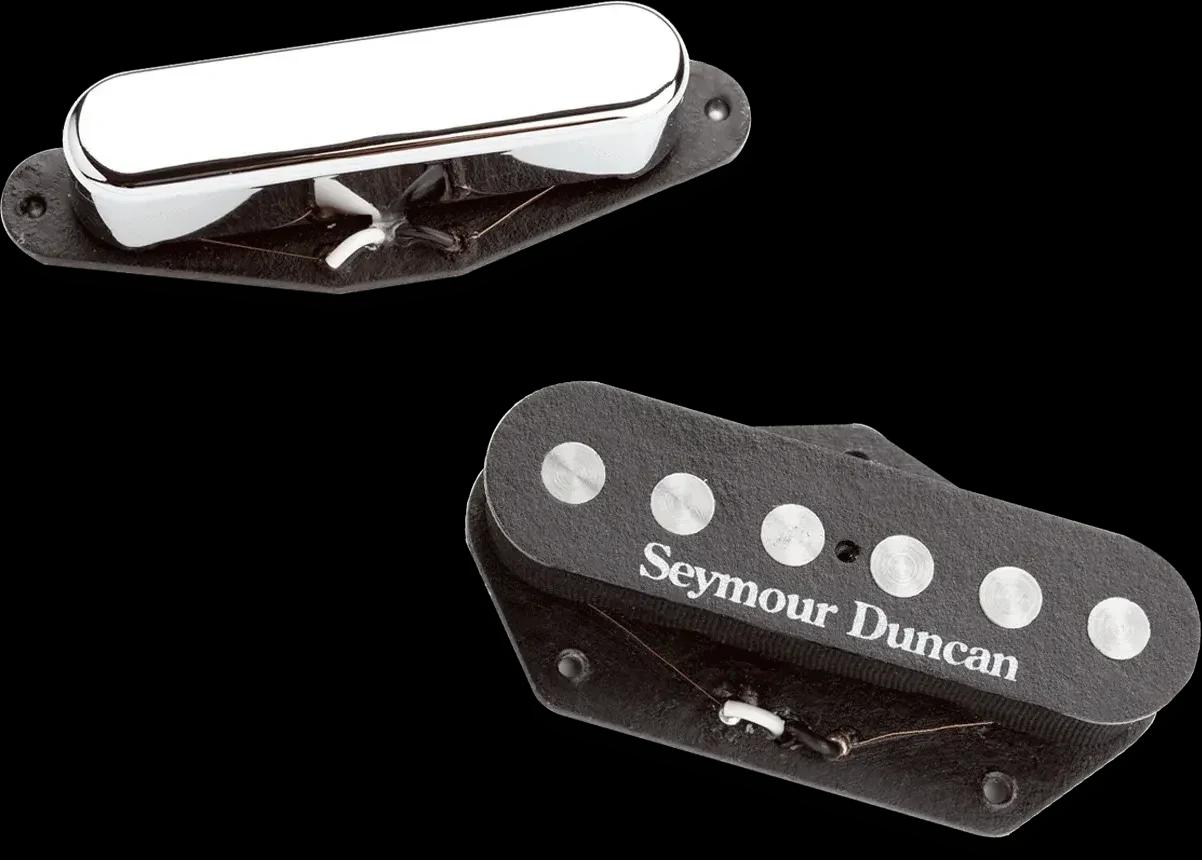
Seymour Duncan calls it its highest-output Tele single coil. The bridge model, which Seymour Duncan calls the Lead, uses hand-polished Alnico 5 rod magnets a quarter of an inch across, on Forbon flatwork, wax potted against squeal and hand built in Santa Barbara. Under the Quarter Pound Tele name Seymour Duncan also sells an overwound neck pickup, the Rhythm, listed at 11.8k, a matched set, and tapped versions of both. Seymour Duncan says the tap gives vintage and high-output sounds from one pickup. This review covers the bridge pickup.
What reviewers and owners report
MusicRadar makes the Quarter Pound set the top pick of its Telecaster pickup guide: a beefed-up version of the classic Tele sound that suits more modern styles, with a little noise at high gain that a gate deals with. Guitar Player names it the best modern choice, crediting it with humbucker-style punch and saturation while it stays a true single coil, and warns it is too much for some players.
Of the 30 Thomann owner reviews read, output is the most repeated point: owners compare it to a humbucker, call it fat and punchy, and use it for blues-rock, hard rock and heavier music. Many also say it keeps enough bite and twang to still sound like a Tele, and several find it cleans up when the volume is rolled back.
The trade-off is the vintage voice. MusicRadar and several owners say it gives up some of the classic twang and the airy, 1950s clean sound, and two owners found it hard to get a really clean tone at all. Two owners found it slightly larger than the pickup it replaced, and two had its fine coil lead break while fitting it, so it pays to handle it gently.
Guitars it suits
It is made for a standard Tele bridge route, and owners report fitting it to Squier, Harley Benton, Mexican-made and American Teles. On a Squier Classic Vibe ’50s Telecaster it brings the bridge up to humbucker territory. It is far hotter than a vintage-style neck pickup, so owners balance the two with pickup height, as one owner of an earlier Classic Vibe Tele did with the stock neck, or fit a hotter neck pickup, a humbucker or the matching Rhythm. Seymour Duncan recommends buying the set, partly so the two pickups are in phase.
Fitting it means soldering to the switch and setting the height: see how to change a pickup, the Telecaster wiring diagram and how to set pickup height.
What to compare it with
For the traditional sound, the Vintage Broadcaster and Fender's Pure Vintage ’52 set sit at the other end of the scale. The Fender Custom Shop Twisted Tele set, with a 10.16k bridge, is the middle ground. The best Telecaster pickups guide sets them side by side, and pickup specifications explained covers what DC resistance does and does not tell you.