The full-necked, solid-bodied Les Paul for classic rock and blues
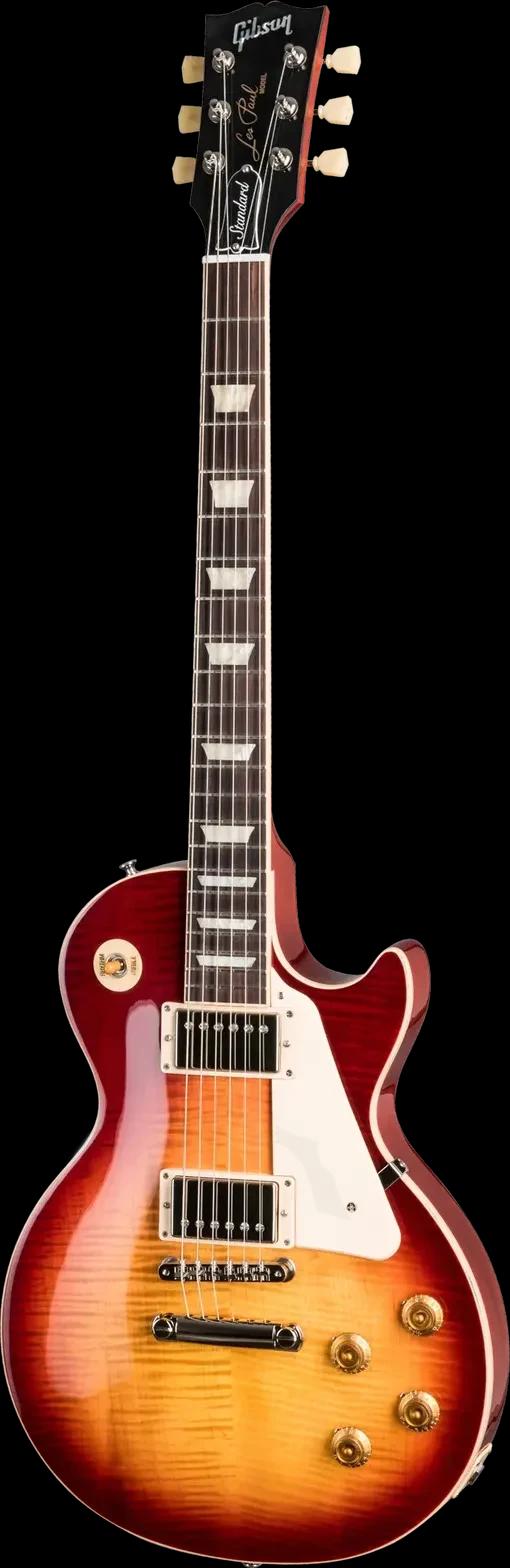
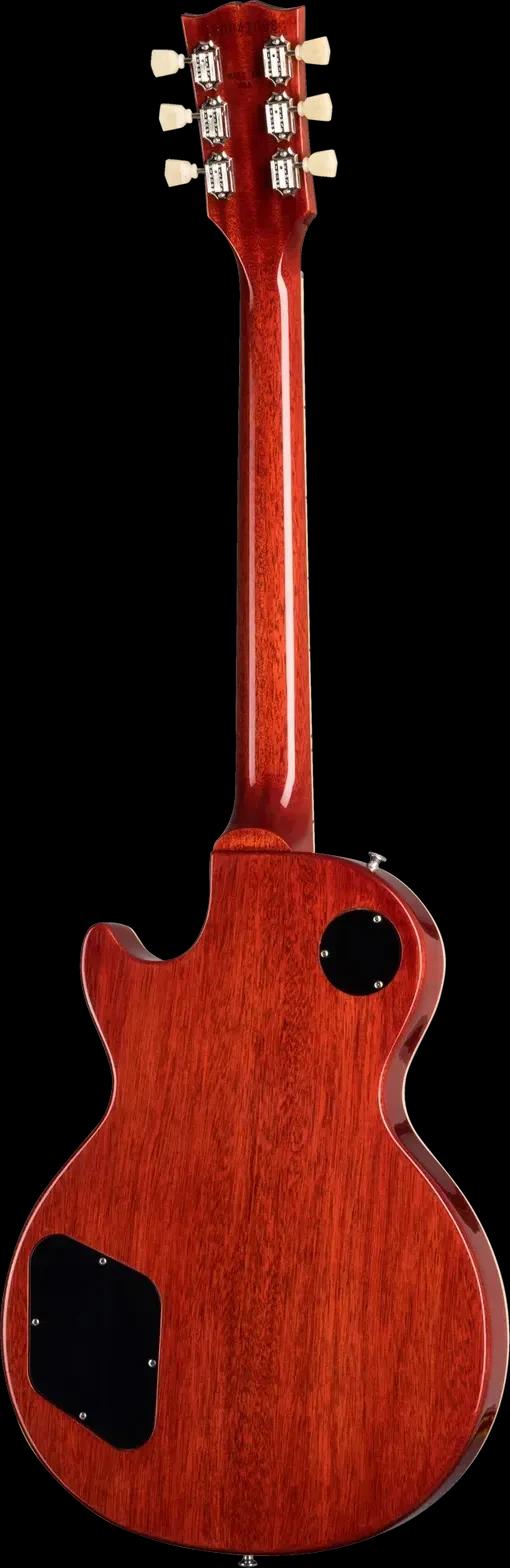
Everything here follows the traditional recipe, with no modern changes. The body is mahogany under a maple top and, as MusicRadar and Bonedo both note, has no weight relief. The mahogany neck is carved to what Gibson calls the Vintage '50s profile, with a bound rosewood fingerboard, 22 medium frets, trapezoid inlays and a 43 mm Graph Tech nut, on a 628 mm scale. The pickups are Gibson's Burstbucker 1 in the neck and Burstbucker 2 in the bridge, hand-wired to Orange Drop capacitors, and the hardware is an aluminium ABR-1 bridge and stop bar. It is made in the USA and comes with a case.
Gibson's own pages would not load for this review, so the specification comes from Thomann's listings. Bonedo's test guitar had a gloss nitrocellulose finish; the Faded versions swap that for thin satin lacquer and leave the pickups uncovered.
The Les Paul Standard ’50s arrived in 2019, when Gibson split its previous Les Paul Traditional into two Standards, as MusicRadar's review explains. This is the one with the full neck; the Standard ’60s is its slimmer-necked sibling. A version with P-90 pickups is sold under the same name and is a different guitar from the one covered here.
What reviewers and owners report
Five published reviews were read, of the gloss guitar, the Faded and the limited Double Trouble finish, and all five recommend it. Bonedo called it one of the best off-the-rack Les Pauls, with a loud, sustaining voice that works clean and heavily driven. MusicRadar's 2019 review found it the most classic-sounding of that year's range, and its 2025 Double Trouble review praised the tones, the build and the neck. Guitar World judged the Faded's sound superb.
The neck draws the same response nearly everywhere: full, but comfortable. Of the 24 owner reviews read at Thomann, nine single it out, and 15 praise the sound. Reviewers describe the Burstbuckers as moderate in output, and Bonedo's Faded review places the guitar's strengths between clean and classic rock.
Two cautions recur. The first is weight: Bonedo's guitar weighed about 4.5 kg and four owners call theirs heavy, though others were lighter, and MusicRadar advises asking the weight before buying. The second is finishing. Both Faded reviews found rough or sharp binding, MusicRadar noted sharp nut edges and dry fingerboards in 2019, and six owners report flaws ranging from lacquer and binding marks to a badly cut nut. Most owners still describe a well-finished guitar that arrived properly set up.
Why the pickups might be worth changing
The Burstbuckers are well liked, so a swap is about a different sound. They are vintage-output pickups, and a reviewer and an owner both say they are not ideal for very high gain. A Seymour Duncan JB in the bridge is the usual answer for more output. For a smoother PAF-style voice, Gibson's own ’57 Classic is the obvious candidate, and Bare Knuckle's The Mule is the hand-wound alternative. All are standard humbucker size. How to change a pickup covers the job.
MusicRadar's one criticism of the electronics was that vintage-style wiring would suit the guitar better; Les Paul wiring: ’50s vs modern shows that change.
How it compares with the Epiphone
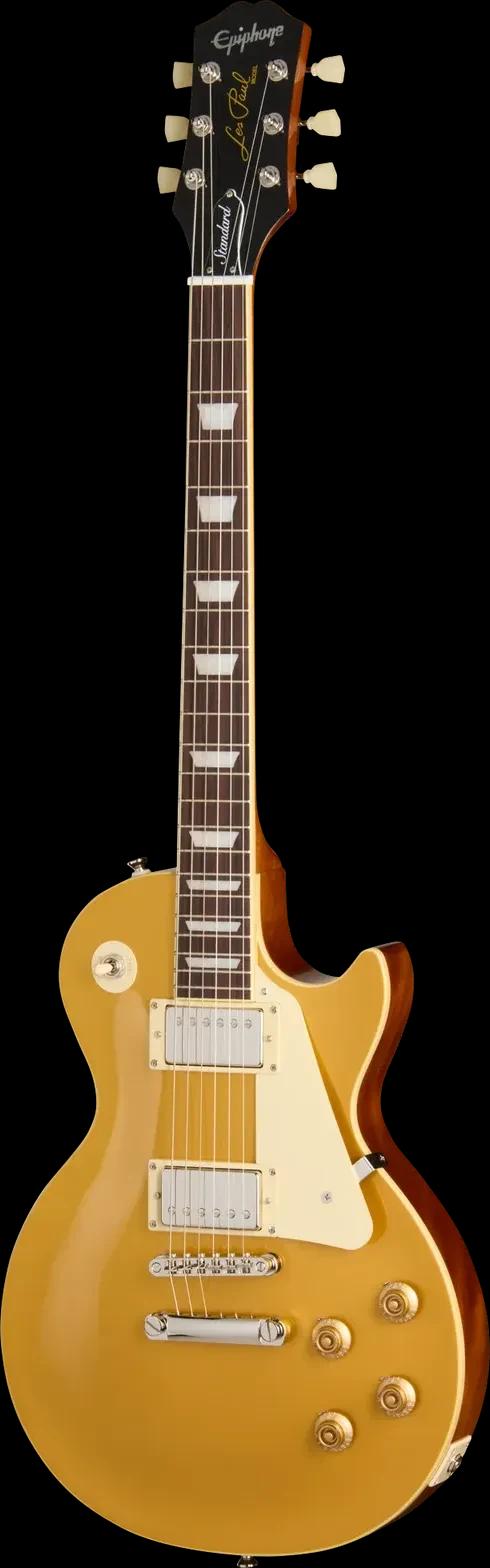
The Epiphone Les Paul Standard ’50s is modelled on this guitar and shares its recipe: mahogany and maple, a full neck, two vintage-voiced humbuckers. What the Gibson adds is American manufacture, Burstbuckers in place of ProBuckers and Orange Drop capacitors, at a premium price against the Epiphone's mid-price one. The Epiphone already ships with ’50s wiring, and its reviews are just as warm, so the Gibson is the choice for a player who wants the original and will keep it for years.
For a different feel at a lower price, the PRS SE Custom 24 has a thinner neck, a vibrato and a coil split. Best humbuckers for a Les Paul goes further into pickup choices.