The short answer: single coils sound brighter, clearer and more detailed, but they hum; humbuckers sound thicker, warmer and louder, and stay quiet. Neither is better. They suit different music, different amps and different players, and plenty of guitars carry both.
Humbucker vs single coil: two coils against one
A single coil is one coil of wire around its magnets. It senses a narrow slice of each string and has fairly low inductance, so it keeps plenty of treble and attack.
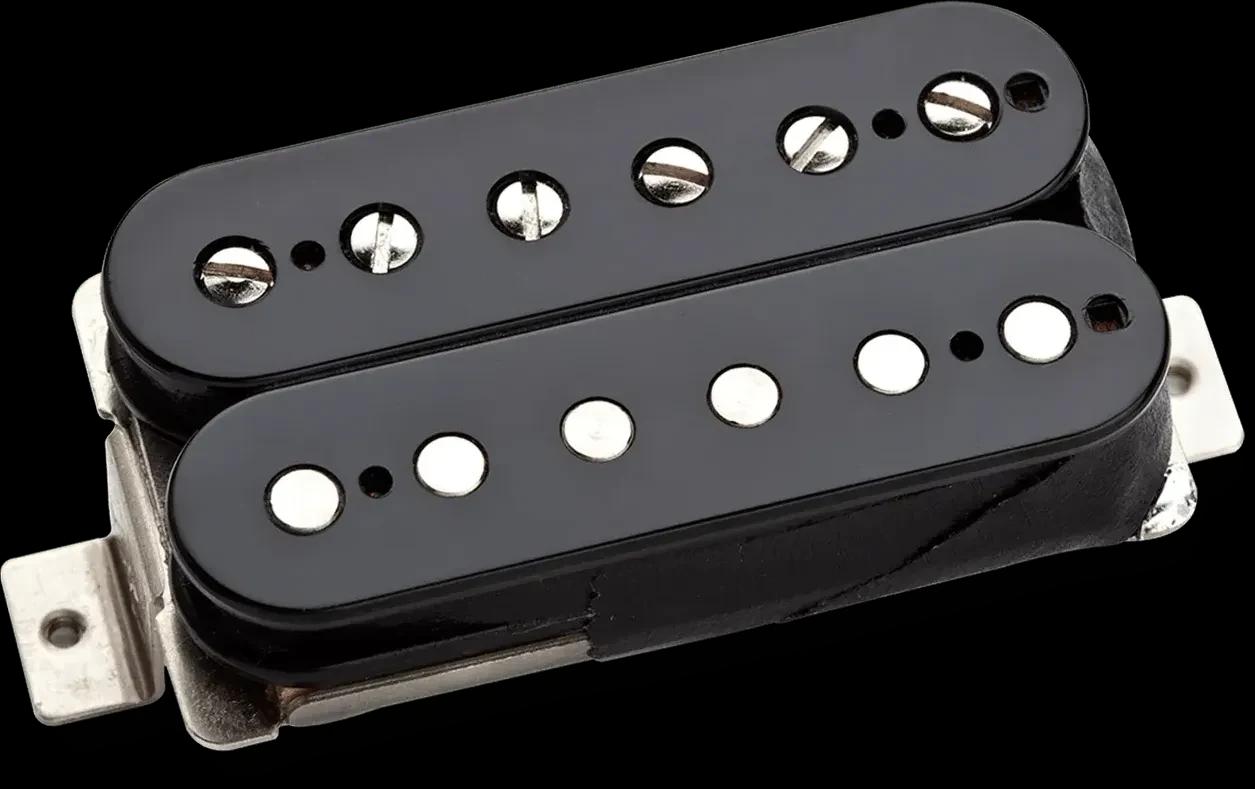
A humbucker is two coils side by side, wound in opposite directions with opposite magnetic polarity. The arrangement cancels most mains hum while the string signal from both coils adds together. Two coils hear a wider stretch of string and have more combined inductance, and Seymour Duncan's explanation of inductance is that more of it means more output and fewer highs. That is the physical root of the difference in sound. For the full picture, see how guitar pickups work.
They differ on sound, output and noise
| Single coil | Humbucker | |
|---|---|---|
| Sound | Bright, clear, snappy, detailed | Thick, warm, smooth, more midrange |
| Output | Lower | Higher, often much higher |
| Noise | Hums, especially with gain | Cancels most mains hum |
| Clean tones | Sparkle and note separation | Rounder and fuller |
| High gain | Can sound thin and noisy | Tight, saturated and quiet |
| Typical guitars | Stratocaster, Telecaster | Les Paul, SG, PRS, superstrats |
| Usual pot value | 250k | 500k |
The figures on spec sheets show the gap in output. Seymour Duncan lists the vintage-style SSL-1 single coil at 6.5k, its PAF-style '59 bridge humbucker at 8.2k and the hot JB humbucker at 16.6k. DC resistance is only a rough guide, as the pickup specifications guide explains, but the direction is clear.
Gain is where the difference shows most
Clean. Single coils are known for a glassy, bell-like clean sound, with every note in a chord distinct. On a Strat the in-between switch positions, which combine two pickups, add the distinctive sounds Jimi Hendrix popularised. Humbuckers clean up into something rounder and warmer, which suits jazz and soft rhythm parts, especially from the neck pickup.
Overdrive and distortion. This is where the humbucker earns its place. Its higher output pushes an amp or pedal into distortion sooner, its midrange keeps riffs thick, and it stays quiet at high gain. DiMarzio's FAQ makes the point that distortion comes from the amp or effects, not the pickup: a "distortion" pickup is simply a high-output one that drives them harder. Single coils under heavy gain sound tighter and thinner, which some players like for clarity, but they hum loudly.
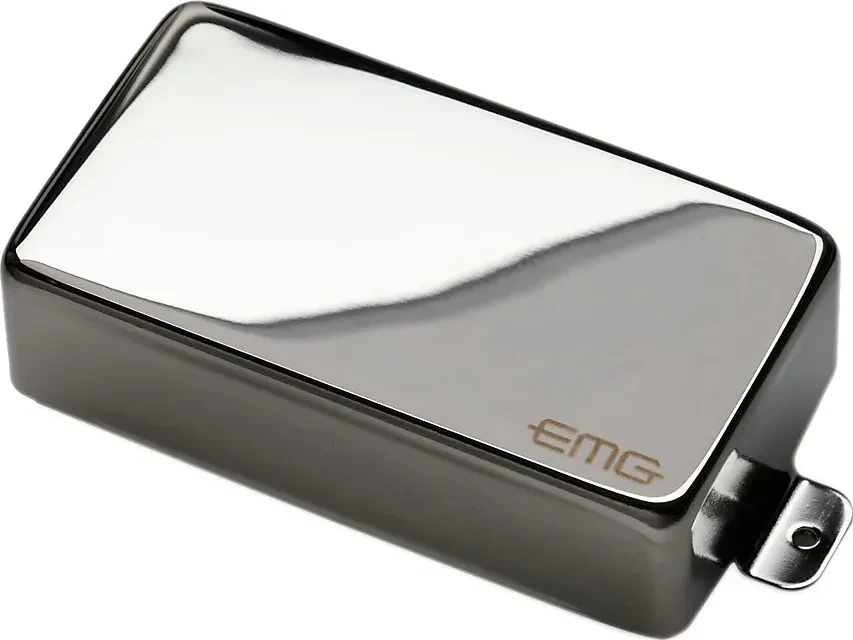
Dynamics. Reviews of vintage-style single coils such as the SSL-1 praise how they respond to picking strength, driving the amp harder when you dig in and cleaning up when you play softly. Lower-output humbuckers such as PAF-style models keep much of that; very hot ones compress the sound, and Guitar World finds the cleans of the active EMG 81 sterile and compressed next to passive pickups.
Each type has its traditional styles
- Blues, funk, country, surf and indie: single coils are the traditional choice, with the Strat and Tele as reference guitars.
- Classic rock: both. Gibson's PAF-equipped Les Pauls and Fender's Strats both shaped the sound of the era.
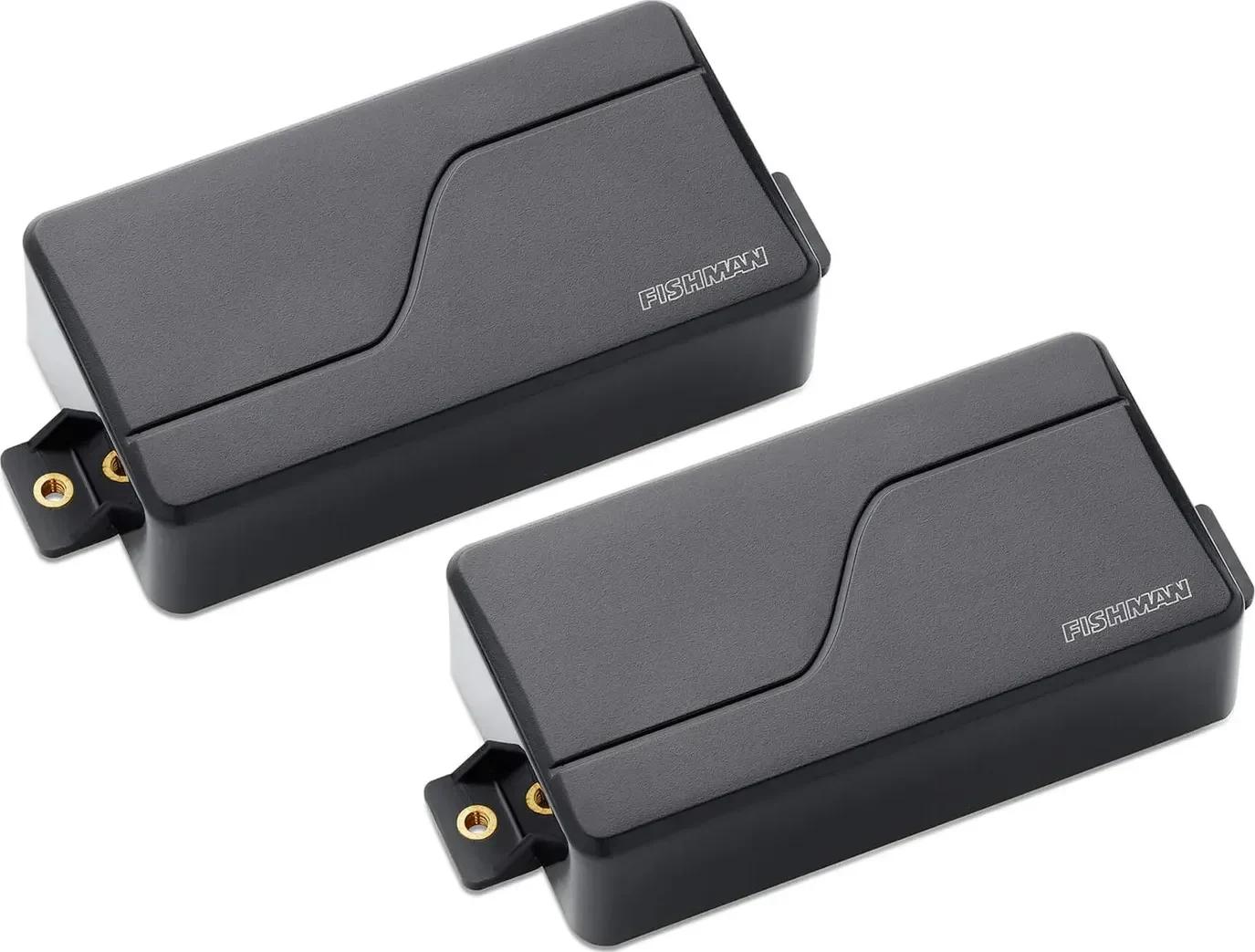
- Hard rock and metal: humbuckers, often high-output or active. The EMG 81 and Fishman Fluence Modern are the reference active choices; see active vs passive pickups.
- Jazz: humbuckers, usually in the neck position with the tone rolled back.
These are habits, not rules. Plenty of heavy players use single coils and plenty of blues players use humbuckers.
Hum is usually the deciding practical issue
Single-coil hum is worst near computers, dimmer switches and lighting, and with high gain or compression. A Strat's in-between positions are normally quiet, because the middle pickup is reverse wound and reverse polarity and the pair acts as a humbucker. If you love the single-coil sound but need silence, stacked noiseless designs such as the Fender Noiseless Strat pickups fit a standard Strat route. Humbuckers are not perfectly silent either: DiMarzio notes that they cancel mains hum but not higher-frequency hash from lighting.
You do not always have to choose
- HSS guitars put a humbucker at the bridge and single coils elsewhere. The Yamaha Pacifica 112V is a well-known example.
- Coil splitting lets a four-conductor humbucker run on one coil, for a brighter, single-coil-like sound with a push-pull pot or switch. See push-pull coil split wiring.
- Parallel wiring keeps both coils for hum cancelling but brightens the sound and lowers output; see series and parallel switching.
- Mini humbuckers sit between the two in sound; see mini humbuckers explained.
- Single-coil-sized humbuckers fit a Strat or Tele route without routing.
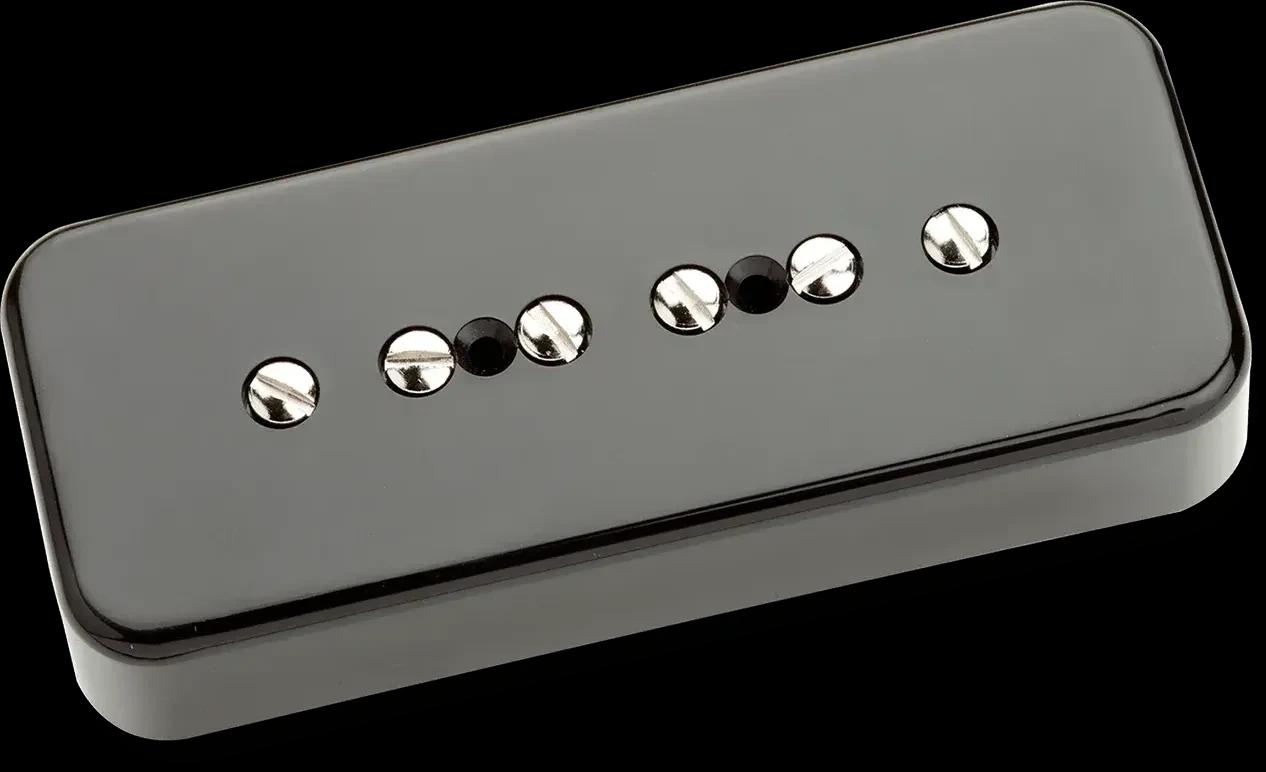
None of these is identical to the real thing, but they cover a lot of ground. The P-90, a wide single coil, is a third option between the two: see P90 vs humbucker.
The recommendation depends on how you play
- You play mostly clean or lightly overdriven, and want clarity and sparkle: single coils. Start with a Strat such as the Fender Player II Stratocaster or the Squier Classic Vibe '50s Stratocaster, or a Tele such as the Squier Classic Vibe '50s Telecaster.
- You play rock with plenty of gain, or need a quiet guitar for recording: humbuckers, as on the Epiphone Les Paul Standard '50s, PRS SE Custom 24 or, for metal, the Ibanez RG421.
- You want one guitar for everything: an HSS guitar, or a humbucker guitar with coil splits.
- You already own the guitar and want a different sound: change the pickups. The best Stratocaster pickups and best humbuckers for a Les Paul guides set out the options, and how to change a pickup shows how.