High-gain sounds from a Strat's bridge, with no routing
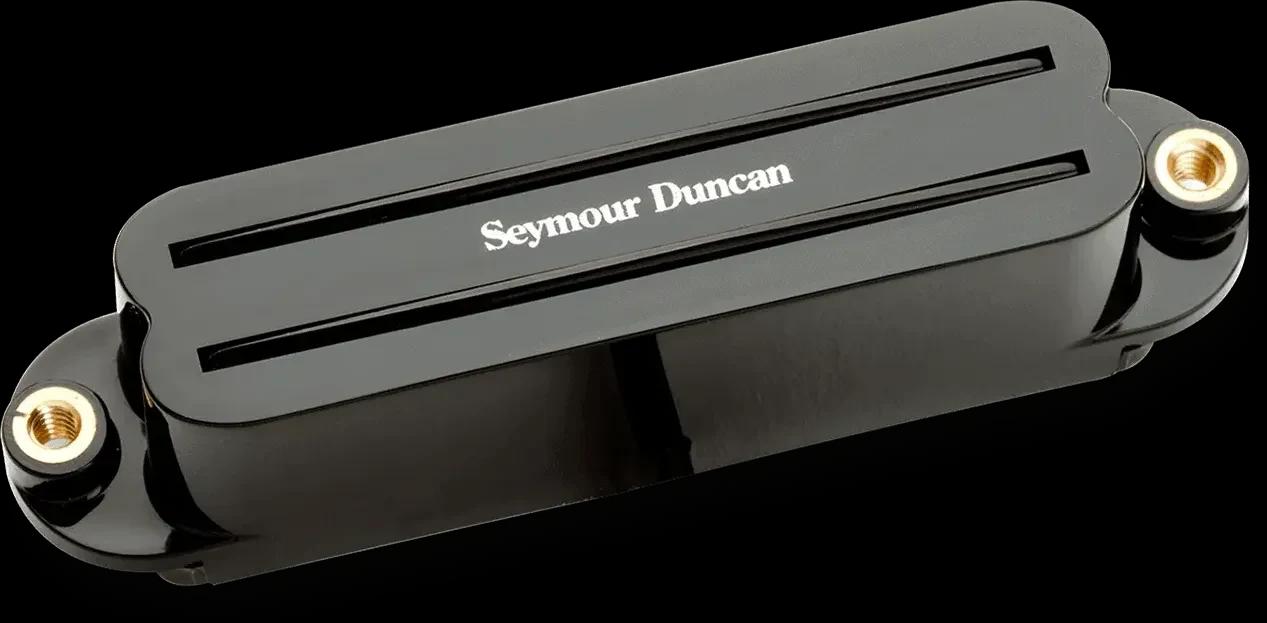
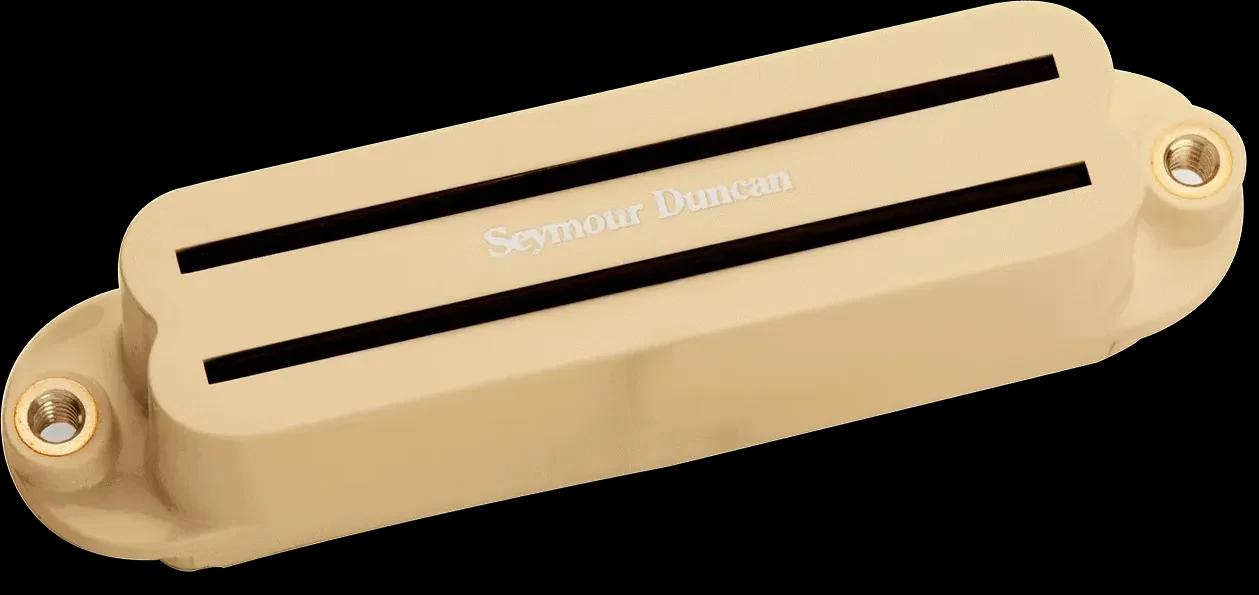
Fitted in the bridge of a Stratocaster, the Hot Rails gives the guitar a humbucker's output and freedom from hum without any cutting, because it drops into the standard single-coil route. Owners describe the result as louder and thicker than the single coil it replaced, with fuller mids and lows, and at its best with gain.
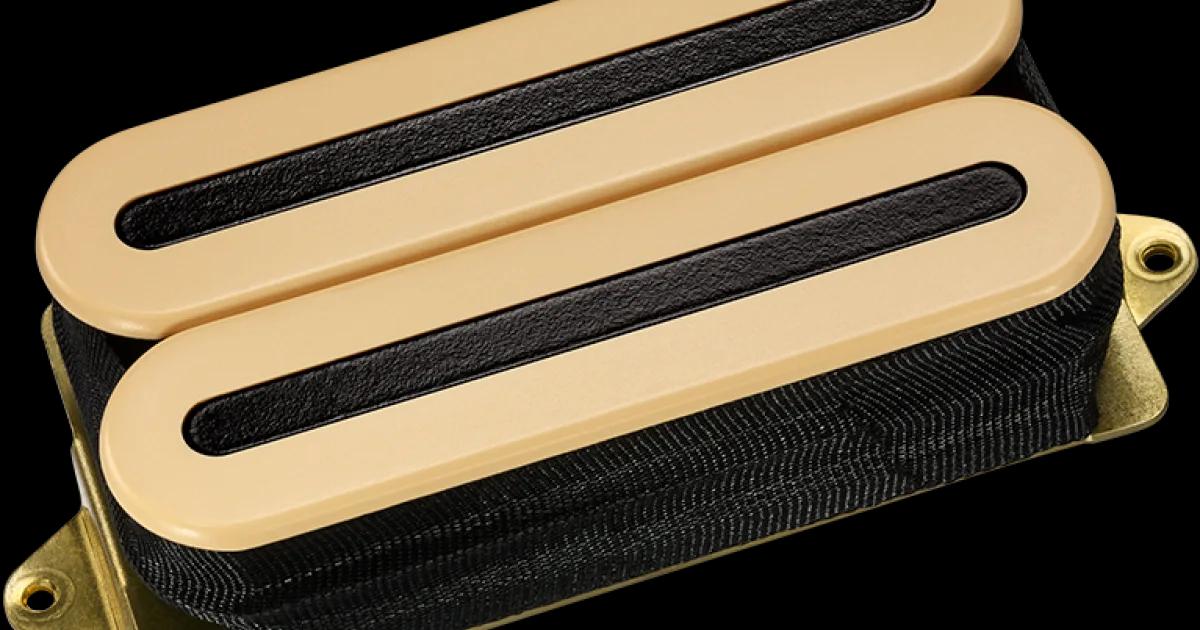
The figures explain why. The bridge model is listed at 16.6k DC resistance, the same figure Seymour Duncan gives for the full-size JB, against 10.9k for the neck and middle model. It is a humbucker squeezed into the footprint of a single coil: instead of six pole pieces it has two steel blades running under all the strings, with a ceramic magnet and overwound coils. Seymour Duncan calls it its most powerful passive pickup for a Strat.
Every version has a 4-conductor lead, so each can be split or wired in parallel, and a full set comes with a reverse-wound, reverse-polarity middle pickup.
What owners say about the sound
The one magazine review found dates from 1985, when International Musician & Recording World described the Hot Rails as Seymour Duncan's newest pickup: perfectly good but unspectacular clean, tight and raw with the amp cranked, and one for heavy rock players with a Strat to try. Beyond that, this account rests on Seymour Duncan's own description and on 30 owner reviews read at Thomann, most of them about the bridge model.
Owners broadly agree on the main point: it is loud and thick, and it is at its best with gain. More than half describe high output that suits hard rock, punk, grunge and metal, and several say the midrange and low end are fuller than the single coil they took out. Because it is a humbucker, it also removes the hum of a single coil, which five of them point out.
The clean sound divides them. Six owners describe it as dark, short of treble or lacking the snap of a Strat bridge pickup. Three others are happy with it clean. The common workaround is wiring: owners who split it or ran it in parallel report something closer to a single-coil sound. The push-pull coil split wiring and series and parallel switching guides show both.
Fitting it
The appeal is that nothing needs cutting. It mounts in a standard single-coil route, so it suits the bridge of a Fender Player II Stratocaster or a Squier Classic Vibe ’50s Stratocaster, and the owners who mention the job mostly call it easy. Two had a tighter fit: one found the pickup tall enough that the wiring had to be routed round it, and another that the lead leaves from the middle of the base, not the side.
A few installs also ended with a buzz or a grounding fault that needed a second look, so check the earth connection before closing the guitar up. How to change a pickup covers the soldering.
Who it suits and what to compare it with
The Hot Rails suits a player who likes the feel of a Strat but plays heavier music than its stock pickups were built for. Most of the owners read fitted one in the bridge position alone.
It is the wrong choice for anyone who wants a better version of the classic Strat sound. For that, look at the Seymour Duncan SSL-1, or at the Fender Noiseless set if hum is the only problem. The guide to the best Stratocaster pickups compares those options, and single coil vs humbucker explains what changes when a humbucker replaces a single coil.
Owners also note that it does not sound quite like a full-size humbucker: one calls it thinner, another missed sustain on bridge solos. A guitar that already has a humbucker route at the bridge, such as the Yamaha Pacifica 112V, is better served by a full-size pickup such as the JB.