A neck humbucker that stays clear under gain
Fitted in the neck, the Jazz gives leads that keep their note definition clean or driven, without the muddy low end that is the usual weakness of a neck humbucker under distortion. That is the point owners at Thomann make most often. It is also best known as the pickup that goes with a JB in the bridge: the two are sold together as the Hot Rodded set, and Guitar World calls the Jazz a superb partner for the JB.
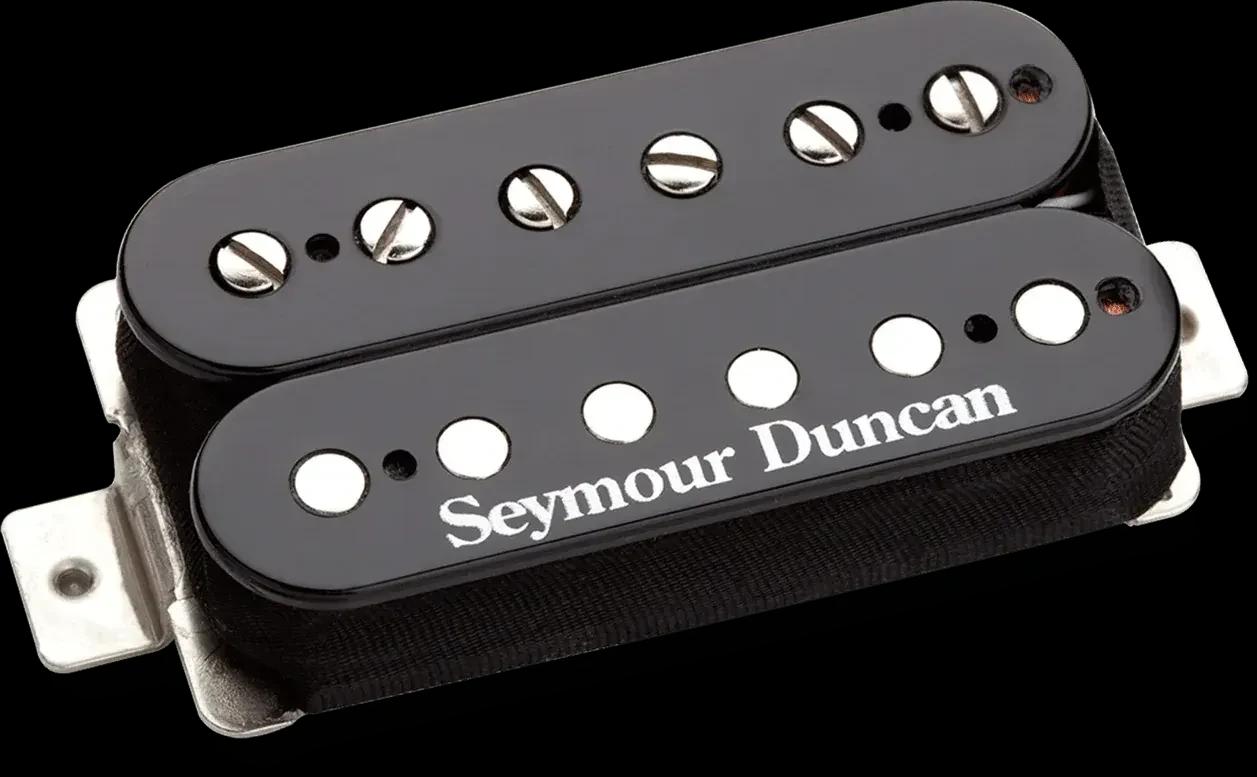
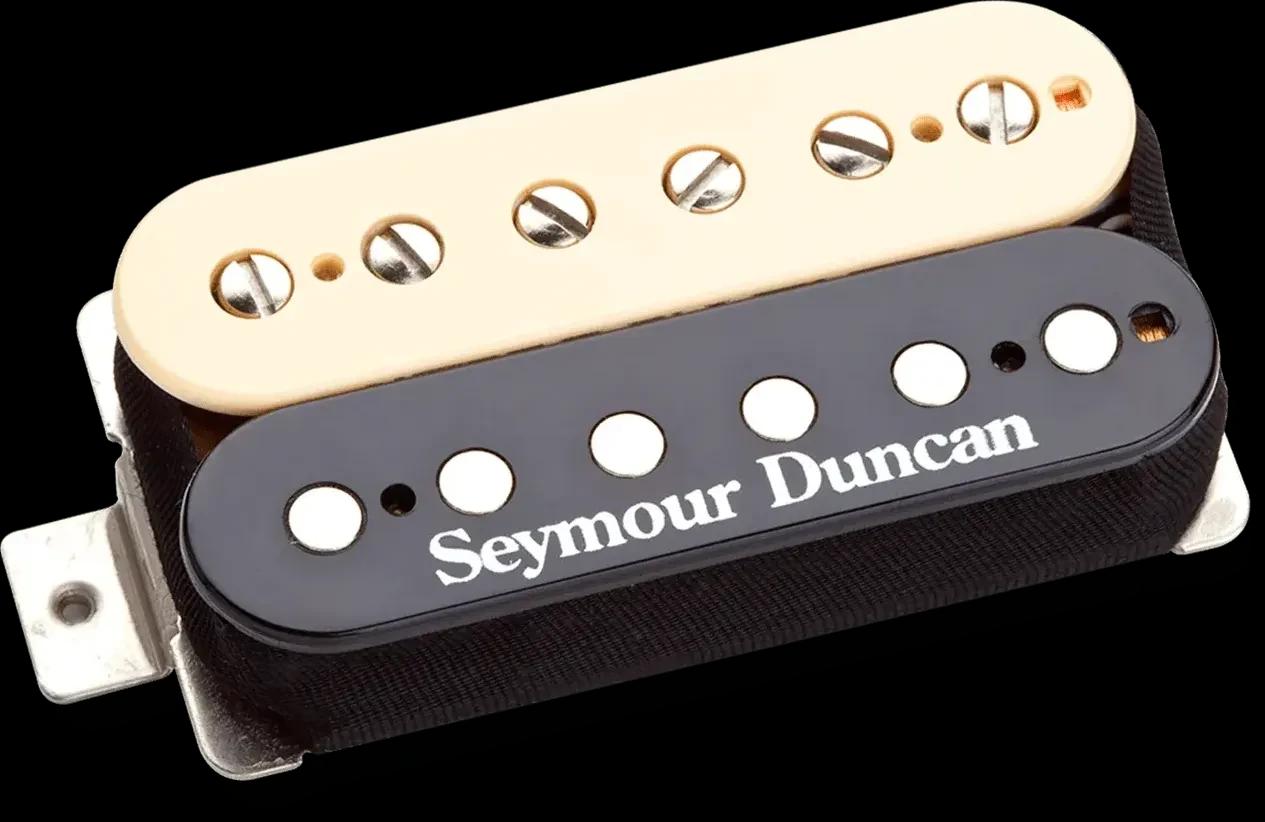
The figures show that the voicing, not the output, sets it apart. The Jazz (SH-2n) is a passive humbucker with an Alnico 5 bar magnet, and Seymour Duncan lists the neck model at 7.5k DC resistance, almost the same as the 7.6k of the ’59 neck. The voicing Seymour Duncan describes is a glassy treble, a full but tight bass and scooped mids. The lead is 4-conductor, so it can be split or wired in parallel. A bridge version and a 7-string neck are also made.
Bright, tight and scooped in the mids
Despite the name, this is not a dark, mellow jazz-box pickup. Bonedo, which tested the Jazz and JB as a set, praises the neck pickup's transparent clean sound, with clear highs, a tight low end and a slight dip in the midrange, and notes that it follows picking dynamics well: play lightly and it stays clean, dig in and it breaks up.
Owners at Thomann say much the same. Of 30 reviews read, about half pick out its clarity and note definition, and several add that it stays tight and free of mud with distortion. Around a third rate its split-coil sound, some comparing it to a Strat or Telecaster, though two note a clear drop in volume when split. Three find a good traditional jazz tone by rolling the guitar's tone control back.
The reservations are about taste more than quality. One owner found it bright with the tone control wide open, another was unsure about its chimey, single-coil-like character in a Les Paul, and two say it is not the pickup for the heaviest metal.
Guitars and pairings it suits
Seymour Duncan suggests the Jazz for adding clarity to neck-position leads and for brightening a dark-sounding guitar. That makes it a logical neck pickup for a Les Paul-style guitar such as the Epiphone Les Paul Standard ’50s or the Gibson Les Paul Standard ’50s, the kind of guitar owners most often report fitting it to. Owners also report fitting it to Ibanez RG and PRS-style guitars; the Ibanez RG421 and PRS SE Custom 24 both take it without modification.
The bridge partner owners name most often is the JB, in standard or Trembucker spacing. Bonedo found the Jazz the tamer and more controllable of the pair, with the JB driving the amp harder. If the split sounds are part of the appeal, push-pull coil split wiring shows how to wire them, and how to change a pickup covers the fitting.
What to compare it with
The closest alternative is Seymour Duncan's own ’59 neck. One owner who has fitted the Jazz to three guitars describes it as brighter and bassier than the ’59, with more scooped mids and a more modern voice. Players who want a traditional PAF-style neck sound should start with the ’59 or the Gibson ’57 Classic.
For a wider view of the choices, see best humbuckers for a Les Paul, and pickup specifications explained for why two pickups with nearly the same DC resistance can sound so different.